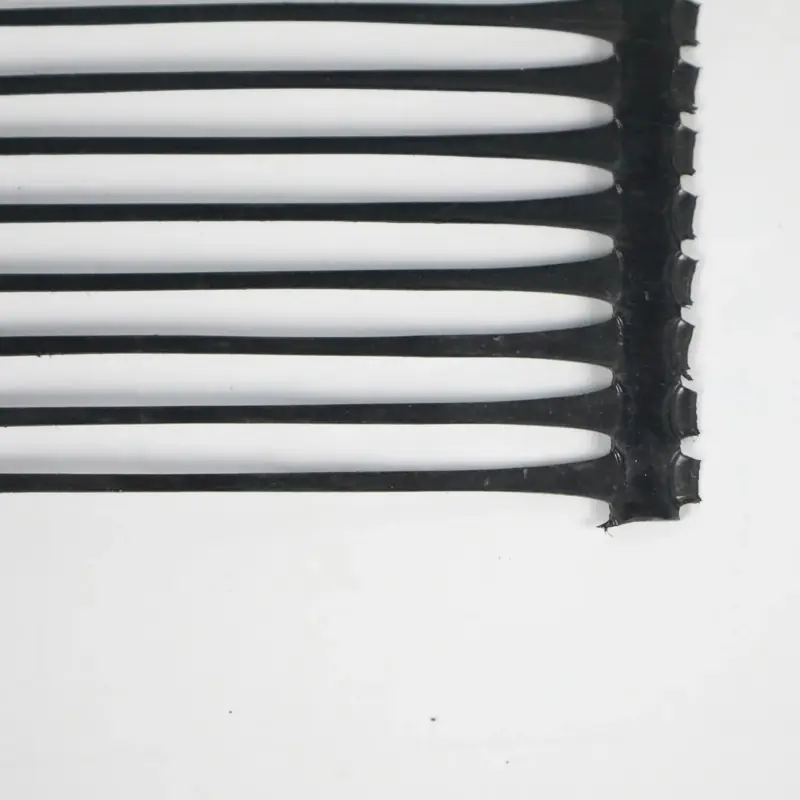
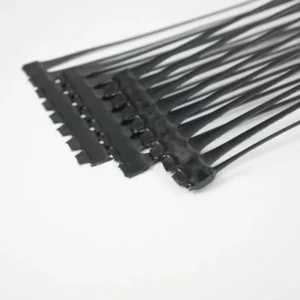
HDPE Geogrid

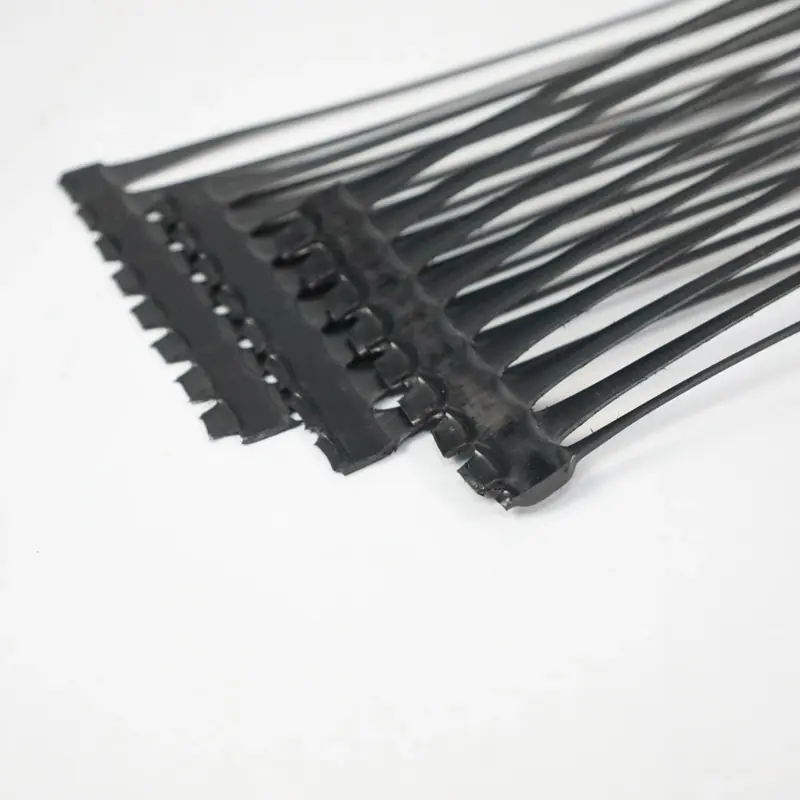
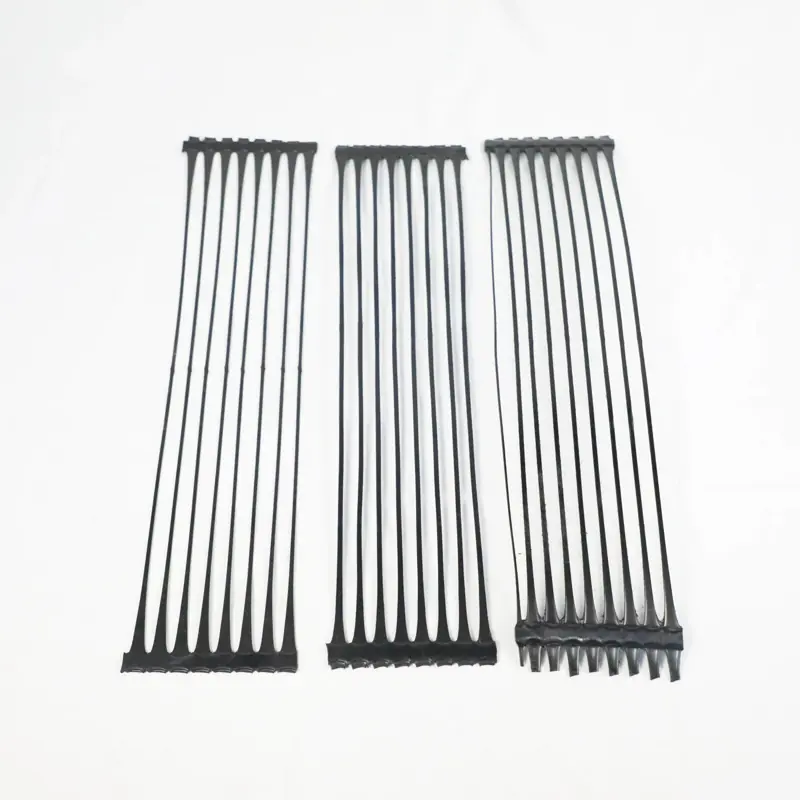
Uniaxial geogrid is a high-strength polymer reinforcement material designed for retaining walls, steep slopes, and soil stabilization. It provides high tensile strength in one direction, improving load distribution and preventing soil failure in weak subgrades.

👉 Key advantage: High tensile strength at low strain (2%–5%), critical for long-term structural stability.

What Is Uniaxial Geogrid?

Uniaxial geogrid is a polypropylene (PP) or polyester (PET) geosynthetic material manufactured through extrusion and stretching processes to create a high-strength, single-directional reinforcement structure.

It is widely used in:

  • Reinforced retaining walls
  • Steep slope stabilization
  • Embankment reinforcement
  • Road widening projects

How Uniaxial Geogrid Works

Unlike biaxial geogrids, uniaxial geogrid works through:

1. Tensile Reinforcement (Primary Mechanism)
Transfers vertical loads into horizontal tensile forces.

2. Soil–Geogrid Interaction
Friction + passive resistance between soil and ribs.

3. Load Distribution
Reduces stress concentration on weak subgrade.

👉 This aligns with your

  • Mechanical interlock
  • Lateral restraint
  • Stress dispersion

Typical Applications

Application Function
Retaining walls Prevent soil collapse
Steep slopes Increase stability
Embankments Improve bearing capacity
Bridge abutments Reduce settlement
  • /geogrid-retaining-wall-ultimate-guide/
  • /geogrid-slope-stabilization/
  • /geogrid-for-road-construction-guide/

Technical Specifications

Property Value
Material Polypropylene (PP)
Tensile Strength 30–200 kN/m
Elongation ≤10%
Aperture Size 25–40 mm
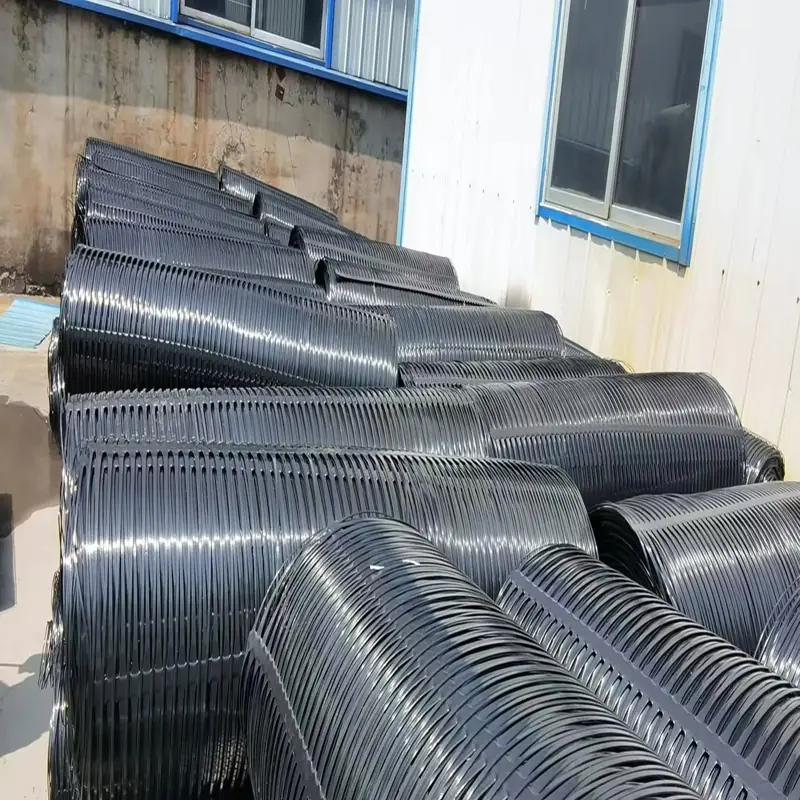
Roll Width 1–4 m
Roll Length 50–100 m

Key Design Considerations

1. Tensile Strength at Low Strain

  • Use 2% or 5% strain modulus, NOT ultimate strength

2. Soil Compatibility

  • Aggregate size should match aperture size

3. Overlap Requirements

  • Firm subgrade: ≥300 mm
  • Soft soil: ≥900 mm

4. Long-Term Strength (Tal)

  • Consider:
    • Creep reduction (RFcr)
    • Installation damage (RFid)

Advantages of Uniaxial Geogrid

  • High tensile strength in one direction
  • Excellent creep resistance
  • Long service life (>50 years)
  • Cost-effective for structural reinforcement

Uniaxial vs Biaxial Geogrid

Type Strength Direction Application
Uniaxial One direction Retaining walls
Biaxial Two directions Road base

Installation Guidelines

  1. Prepare subgrade
  2. Lay geogrid along stress direction
  3. Fix with pins
  4. Apply fill material
  5. Compact layer

Why Choose Our Geogrid?

  • Certified manufacturing
  • Stable quality control
  • Engineering design support
  • Export experience (50+ countries)

Submit Your Sourcing Request

To make it easier for you to receive a quote, simply leave your information, and we will contact you as soon as possible.