Geomembrane Thickness, Cost & Application Explained
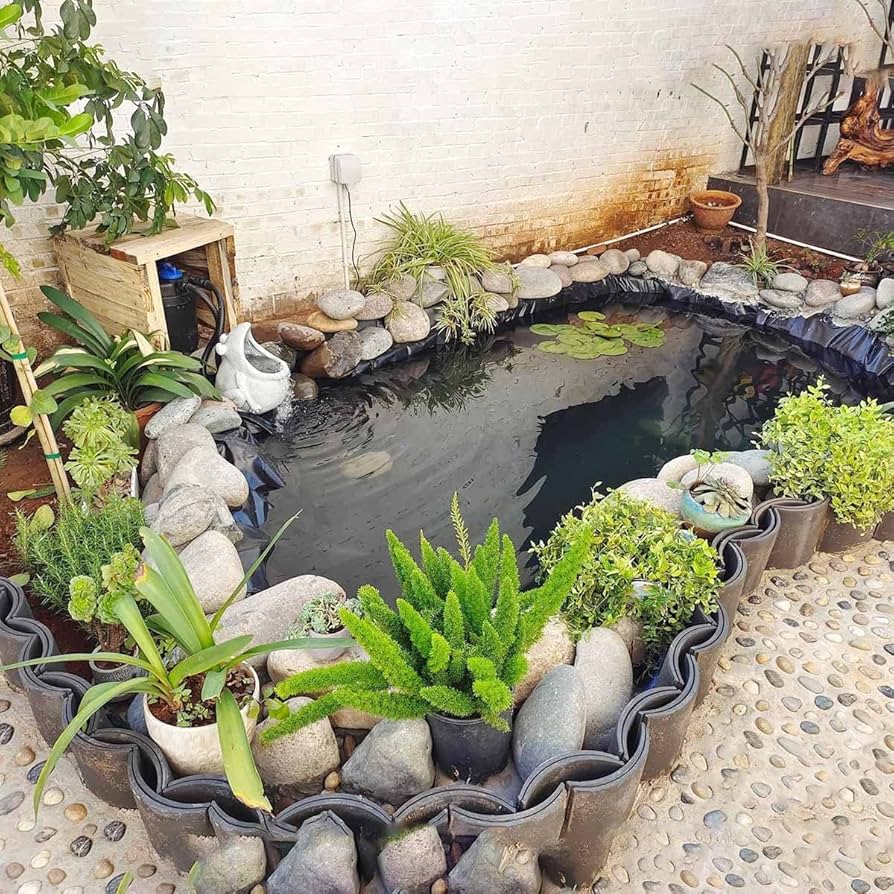
A 30 mil pond liner can be sufficient for small to medium ponds with low hydraulic pressure.
It is commonly used in decorative or light-duty water features where long-term structural stress and regulatory requirements are limited.
Understanding when 30 mil is enough — and when it is not is critical for avoiding premature failure and unnecessary replacement costs.
What Is a 30 Mil Pond Liner?
A “30 mil” pond liner refers to a liner thickness of 0.75 mm, commonly manufactured from materials such as PVC or polyethylene-based compounds.
This thickness range is widely used in decorative and light-duty water features, primarily due to its flexibility and ease of installation.
It is important to note that 30 mil liners were not originally designed for high-load or long-term engineering applications. Their performance depends heavily on site conditions, water depth, and expected service life.
When a 30 Mil Pond Liner Is Enough

In practice, 30 mil pond liners perform adequately in scenarios where structural and hydraulic demands are limited.
Typical suitable applications include:
-
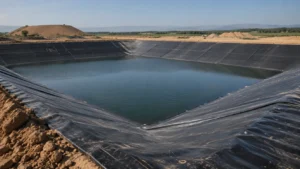
Small residential garden ponds
-
Decorative water features and landscaping projects
-
Shallow ponds with low water head
-
Temporary or seasonal water containment
-
Sites without heavy equipment loading or sharp subgrade conditions
In these cases, the liner’s flexibility and lower material weight can be advantageous, especially when long-term durability is not the primary requirement.
When 30 Mil Pond Liner Is NOT Enough

While commonly used, 30 mil liners have clear limitations.
They are not recommended when projects involve higher risk factors or engineering constraints.
Situations where 30 mil thickness is often insufficient include:
-
Large-area ponds (e.g. approaching or exceeding 1 acre)
-
Deep ponds with significant hydraulic pressure
-
Stormwater retention or agricultural reservoirs
-
Long-term industrial or environmental containment
-
Projects requiring regulatory or engineering compliance
-
Installations exposed to UV, chemical, or mechanical stress over time
In these cases, liner failure can lead to leakage, subgrade erosion, and costly remediation.
30 Mil Pond Liner vs Thicker Geomembrane Options

Thickness selection should be based on performance requirements, not just initial material cost.
| Thickness Range | Typical Use Case | Durability Expectation | Risk Profile |
|---|---|---|---|
| 30 mil (0.75 mm) | Decorative & light-duty ponds | Low–Medium | Moderate |
| 40–60 mil | Medium ponds, extended use | Medium | Lower |
| ≥1.0 mm geomembrane | Engineering-grade projects | High | Low |
Thicker geomembranes offer higher tensile strength, puncture resistance, and service life, making them more suitable for demanding applications.
Cost Perspective: Initial Savings vs Long-Term Performance
Choosing a thinner liner may reduce upfront material cost, but this often comes with trade-offs:
-
Shorter service life
-
Higher risk of puncture or seam failure
-
Increased maintenance and replacement frequency
From a lifecycle perspective, projects that require durability and reliability typically benefit from engineered geomembrane solutions, even if the initial investment is higher.
How to Choose the Right Thickness for Your Pond liner?
Rather than selecting thickness based on size alone, consider the following factors:
-
Pond surface area and depth
-
Hydraulic pressure and water head
-
Expected lifespan of the project
-
Subgrade conditions and installation method
-
Environmental exposure (UV, temperature, chemicals)
-
Maintenance accessibility
When these factors exceed the safe limits of flexible liners, engineered geomembrane systems are generally recommended for performance consistency.
Frequently Asked Questions
Is a 30 mil pond liner suitable for a 1-acre pond?
In most cases, no. Larger ponds typically require thicker geomembrane materials to manage hydraulic pressure and long-term stress.
How long does a 30 mil pond liner last?
Service life varies widely depending on conditions, but it is generally shorter than thicker geomembrane systems designed for long-term use.
Does thicker always mean better?
Not necessarily. Thickness should match application requirements. Over-specification can increase costs without proportional benefits in low-risk projects.
When should I upgrade from pond liner to geomembrane?
When project scale, durability expectations, or regulatory requirements exceed the limits of flexible liners.
Final Consideration
A 30 mil pond liner can be a practical solution when conditions are controlled and expectations are limited.
For projects demanding long-term performance, higher loads, or engineering reliability, upgrading to engineered geomembrane solutions is often the more responsible choice.