
Geogrid Solutions for Roads, Retaining Walls, Driveways and Ground Reinforcement
Geogrid is a high-strength reinforcement material used to improve soil stability, distribute loads and reduce deformation in road bases, retaining walls, driveways, slopes and other civil engineering projects.At Geosynsource, we help contractors, distributors and project buyers select the right geogrid mesh, material type, tensile strength and roll size based on real project conditions.Whether you need HDPE geogrid, biaxial geogrid, uniaxial geogrid, fiberglass geogrid or polyester geogrid, our team can support product selection, technical comparison and quotation for export projects.
Geogrid Product Selection Guide
Choosing the right geogrid depends on the application, soil condition, loading requirement and installation layer. Different projects require different geogrid structures and materials.For most projects, the best geogrid is not simply the strongest option. The correct choice should match the application, loading condition, soil type, installation method and required design life.
| Project Application | Recommended Geogrid Type | Main Function |
|---|---|---|
| Retaining wall reinforcement | Uniaxial geogrid / HDPE geogrid | Reinforces soil behind the wall |
| Road base reinforcement | Biaxial geogrid / triaxial-type geogrid | Improves aggregate confinement and load distribution |
| Gravel driveway stabilization | Biaxial geogrid / ground grid | Reduces rutting and surface movement |
| Asphalt pavement reinforcement | Fiberglass geogrid | Helps control reflective cracking |
| Slope and embankment reinforcement | HDPE geogrid / polyester geogrid | Improves reinforced soil stability |
| High-strength engineering projects | Polyester geogrid / uniaxial geogrid | Provides higher tensile reinforcement |
What Is Geogrid Mesh and How Does It Reinforce Soil?
Geogrid mesh is an open-grid reinforcement material made from polymers such as HDPE, polypropylene, polyester or fiberglass. Its grid structure allows soil or aggregate to interlock with the openings, creating a stronger reinforced layer.
In road bases and driveways, geogrid reinforcement helps spread wheel loads over a wider area and reduces movement in the aggregate base. In retaining walls, geogrid layers extend into the backfill soil to create a reinforced soil mass behind the wall.
Some buyers also search for “geogrid fabric,” but technically geogrid is different from geotextile fabric. Geogrid is mainly used for reinforcement, while geotextile fabric is mainly used for separation, filtration, drainage or protection.
For a deeper explanation, read our guide on the purpose of geogrid mesh.
Geogrid Types: HDPE, Uniaxial, Biaxial, Triaxial, Fiberglass and Polyester
Different geogrid types are designed for different loading directions, installation layers and engineering purposes.
HDPE Geogrid
HDPE geogrid is commonly used for soil reinforcement, retaining walls, slopes, embankments and ground stabilization. It offers good chemical resistance, long-term durability and stable tensile performance.
HDPE geogrid is often selected when the project requires strong reinforcement performance in outdoor soil environments.
Best for: retaining walls, slopes, embankments, reinforced soil structures.
Uniaxial Geogrid
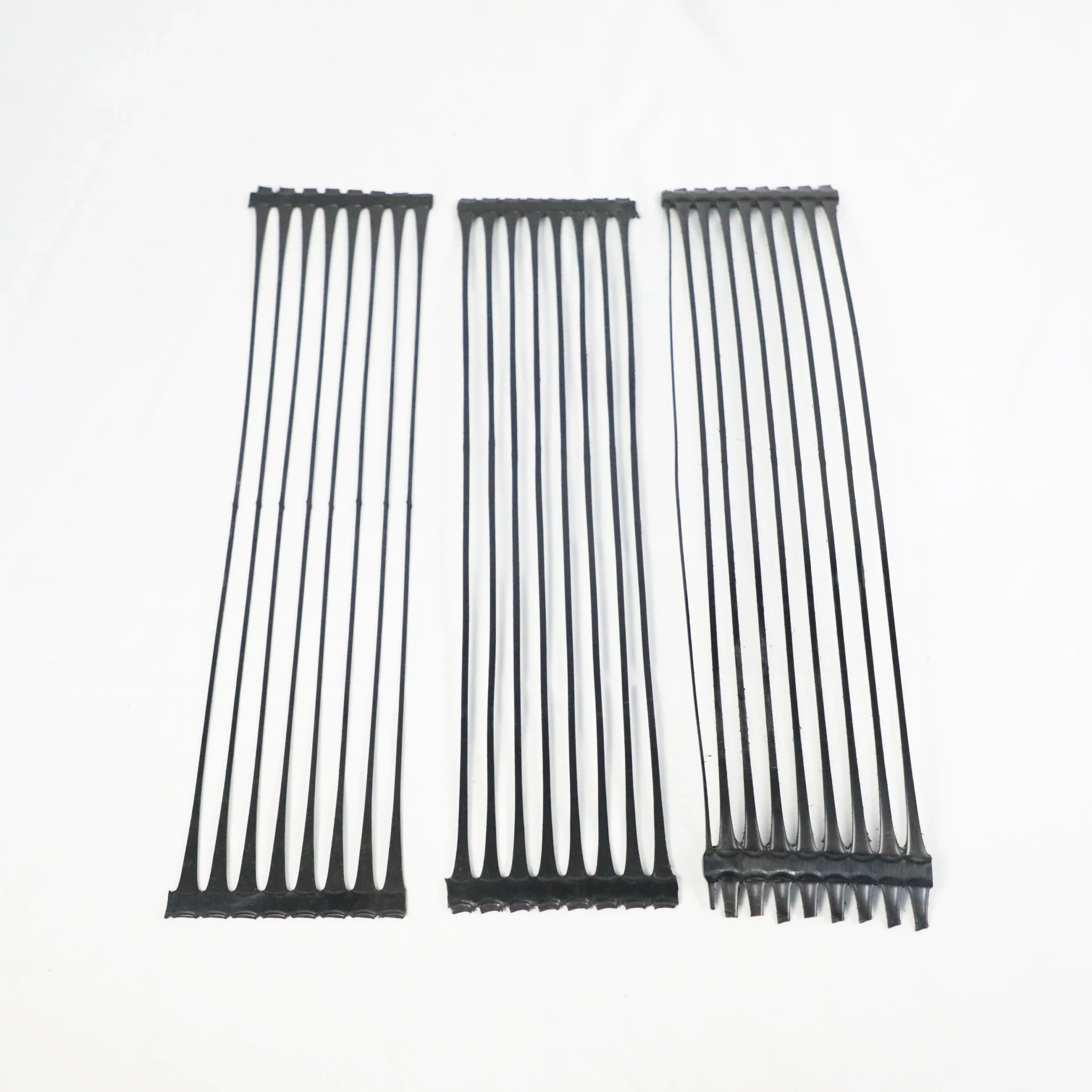
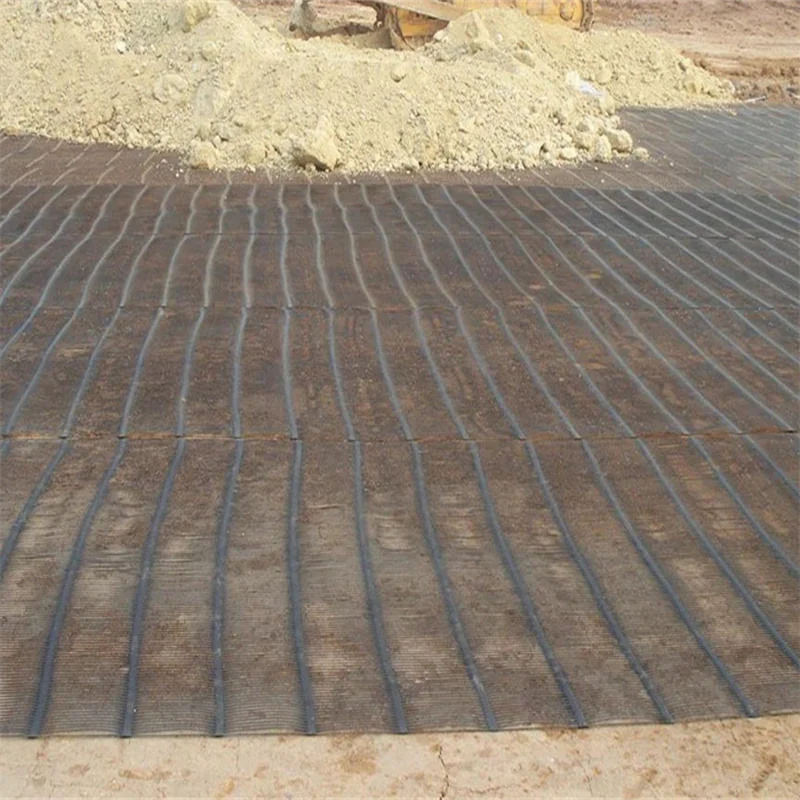
Uniaxial geogrid provides high tensile strength in one main direction. It is commonly used behind retaining walls and reinforced slopes where the primary reinforcement force acts in one direction.
In retaining wall projects, uniaxial geogrid is usually placed in horizontal layers within the backfill soil. The exact spacing, length and strength should follow project design requirements.
Best for: retaining walls, reinforced slopes, high tensile soil reinforcement.
Biaxial Geogrid
Biaxial geogrid provides tensile strength in both machine and cross-machine directions. It is widely used for road base reinforcement, gravel driveway stabilization, parking lots and working platforms.
Its two-directional strength helps improve aggregate interlock and reduce lateral movement under traffic loads.
Best for: road base, gravel driveway, parking area, construction access roads.


Triaxial-Type Geogrid
Triaxial-type geogrid is designed for multi-directional load distribution. Its triangular or multi-directional aperture structure can help improve aggregate confinement under repeated traffic loads.
This type of geogrid is often considered for road base, heavy-duty traffic areas and pavement foundation improvement.
Best for: road construction, heavy traffic base layers, load distribution.
Fiberglass Geogrid
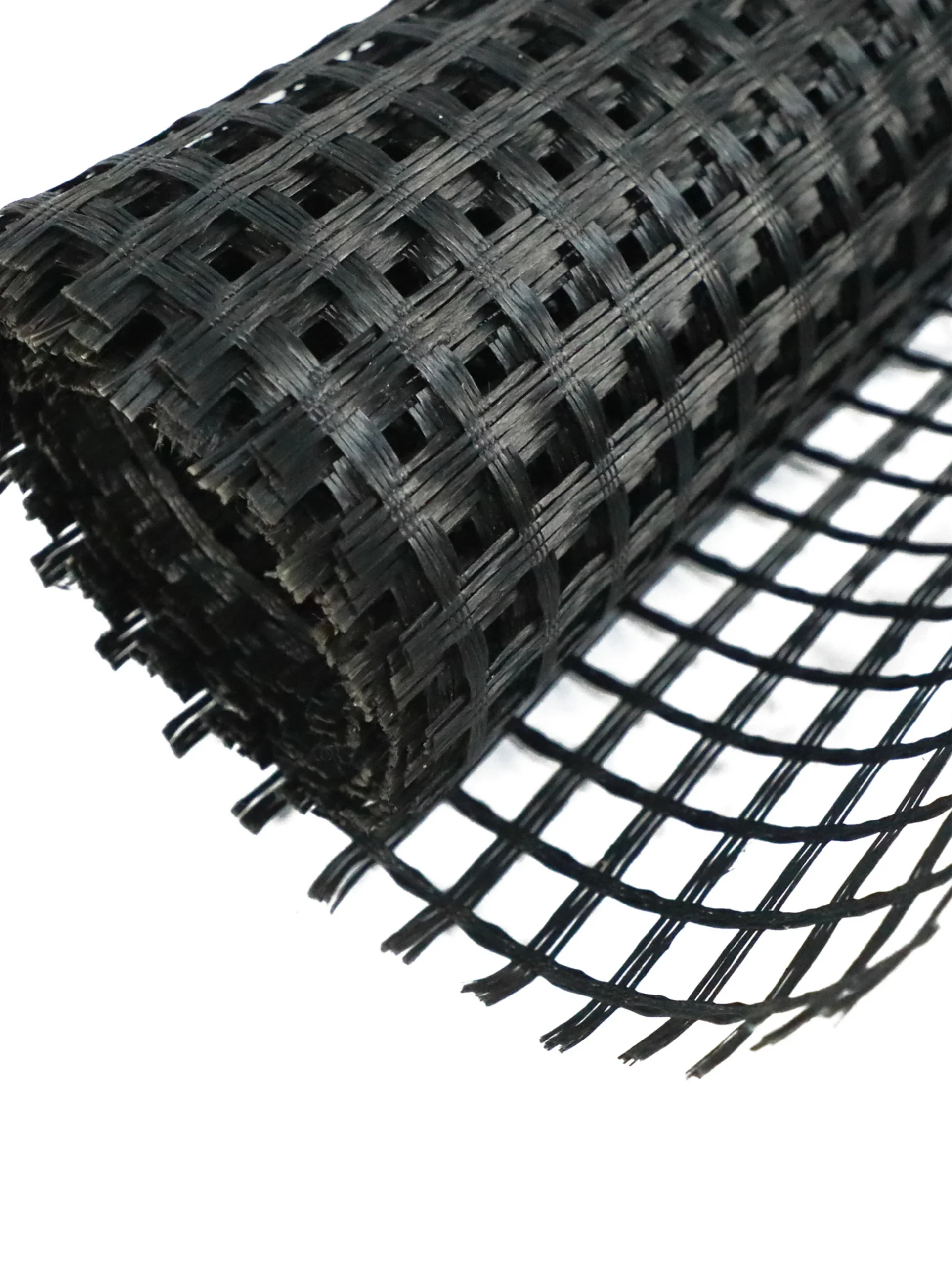
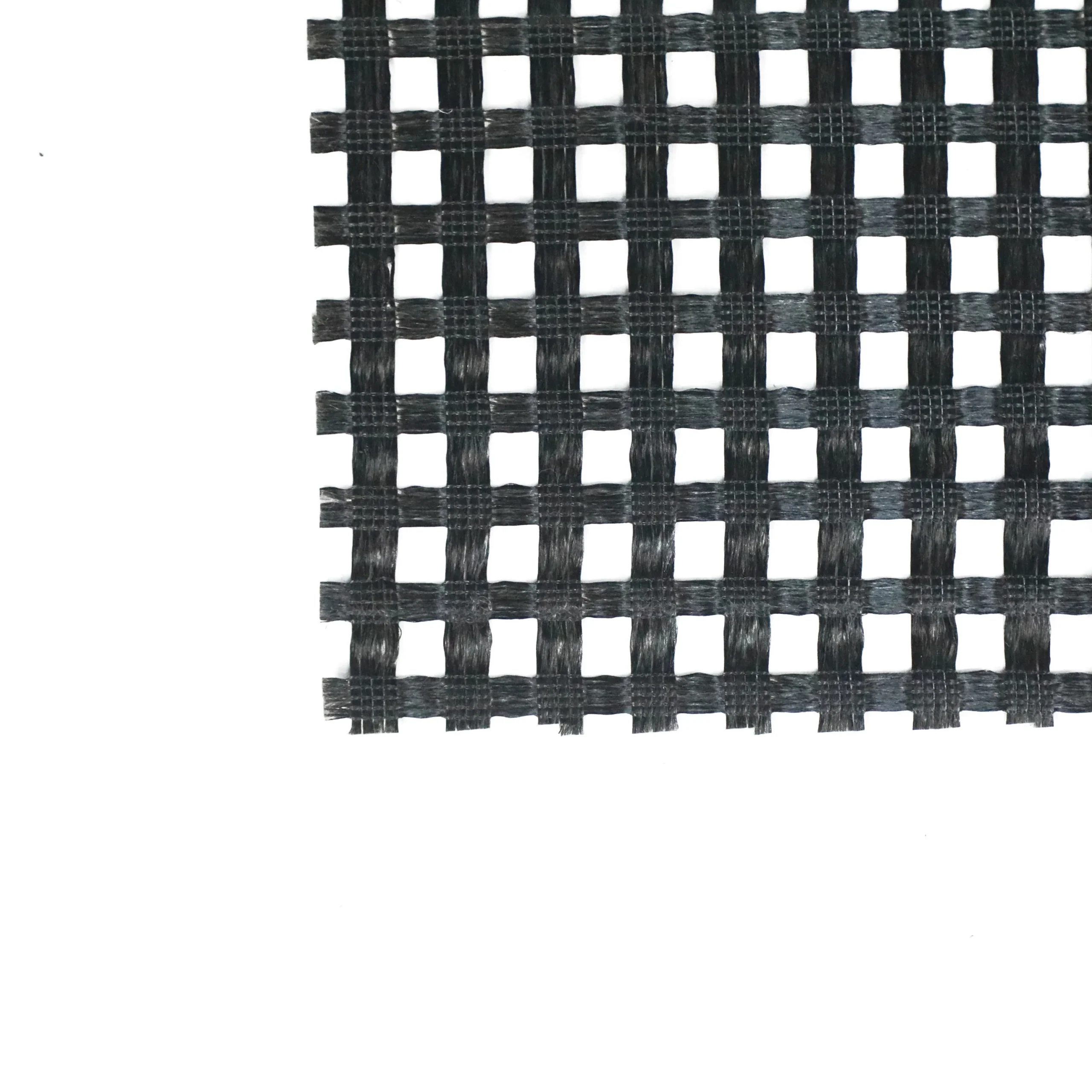
Fiberglass geogrid is mainly used in asphalt pavement reinforcement. It is often installed with asphalt layers to help reduce reflective cracking and improve pavement performance.
Unlike base stabilization geogrids, fiberglass geogrid is selected when the main issue is asphalt cracking rather than weak subgrade or aggregate movement.
Best for: asphalt overlay, road maintenance, reflective crack control.
View product: Fiberglass Geogrid
Polyester Geogrid
Polyester geogrid is suitable for high-strength reinforcement projects where long-term tensile performance is important. It is commonly used in embankments, retaining structures, roads and soft soil reinforcement.
Polyester geogrid can be supplied with different coatings and tensile strengths according to project requirements.
Best for: high-strength reinforcement, embankments, retaining structures, soft soil projects.
Geogrid Solutions by Application
Geogrid is used in many civil engineering and landscaping projects. The correct product depends on where the geogrid layer is installed and what problem it needs to solve.
Geogrid for Retaining Walls
For retaining walls, geogrid is installed in layers behind the wall block or facing system. The geogrid extends into the backfill soil to create a reinforced soil mass.
Retaining wall geogrid selection usually depends on:
| Factor | Why It Matters |
|---|---|
| Wall height | Higher walls may require stronger or longer geogrid layers |
| Soil type | Poor backfill soil can increase reinforcement demand |
| Surcharge load | Driveways, roads or structures behind the wall increase loading |
| Drainage condition | Poor drainage can increase pressure behind the wall |
| Wall system | Different block or facing systems may require different reinforcement details |
For small residential walls, project rules may vary by location. For higher or load-bearing walls, engineering design is recommended.
Geogrid for Road Construction
For roads, geogrid is usually installed between the subgrade and aggregate base, or within the base layer. The purpose is to improve aggregate confinement, distribute loads and reduce deformation.
Road construction projects commonly use biaxial geogrid or triaxial-type geogrid. For asphalt crack control, fiberglass geogrid may be selected instead.
Common road applications include:
| Road Project | Recommended Geogrid |
|---|---|
| Weak subgrade stabilization | Biaxial geogrid / triaxial-type geogrid |
| Aggregate base reinforcement | Biaxial geogrid |
| Heavy-duty access roads | High-strength biaxial or triaxial-type geogrid |
| Asphalt overlay crack control | Fiberglass geogrid |
| Temporary construction road | Biaxial geogrid |
For asphalt pavement projects, read our guide: Geogrid for Asphalt Pavement
Geogrid for Driveways and Gravel Surfaces
For gravel driveways, geogrid helps stabilize the base layer and reduce rutting, gravel migration and surface deformation.
A driveway geogrid is usually placed below the gravel base, especially where the soil is soft, wet or frequently loaded by vehicles.
Common driveway uses include:
- Gravel driveways
- Farm access roads
- Parking areas
- Residential paths
- Light-duty vehicle areas
- Ground stabilization under aggregate
Read more: Is geogrid good for driveways?
Related guide: Are gravel grids worth it?
Geogrid for Slope and Embankment Reinforcement
In slope and embankment projects, geogrid is used to improve soil stability and reduce the risk of movement or deformation.
HDPE geogrid, polyester geogrid and uniaxial geogrid may be used depending on the slope angle, fill material, load condition and required design strength.
For these applications, final design should be based on project-specific engineering requirements.
Geogrid Strength, Roll Size and 40kN Options
Geogrid strength is commonly expressed in kN/m, such as 20kN, 30kN, 40kN, 60kN or higher. A 40kN geogrid means the material is designed to provide a specified tensile strength level under standard test conditions.
However, choosing a 40kN geogrid does not automatically mean it is the best option for every project. The correct tensile strength depends on the application, soil condition, load requirement and design factor.
| Specification Item | Common Options |
|---|---|
| Material | HDPE, PP, fiberglass, polyester |
| Structure | Uniaxial, biaxial, triaxial-type |
| Tensile strength | 20kN, 30kN, 40kN, 60kN or custom |
| Roll width | Custom according to project or shipment |
| Roll length | Custom according to order requirement |
| Color | Black or project-specific option |
| Application | Road base, retaining wall, driveway, slope, asphalt overlay |
When requesting a quote, it is better to provide the application, required tensile strength, roll size, quantity and destination port. This helps us recommend a more accurate geogrid material and price.
Where the Geogrid Layer Is Installed
The geogrid layer must be installed in the correct position to perform properly.
| Application | Typical Geogrid Layer Position |
|---|---|
| Retaining wall | Horizontally within compacted backfill behind the wall |
| Road base | Between subgrade and aggregate base, or within base layer |
| Gravel driveway | Under the gravel base layer |
| Asphalt pavement | Within asphalt overlay or below pavement structure, depending on project design |
| Slope reinforcement | Within reinforced soil layers |
| Working platform | Between weak soil and aggregate platform layer |
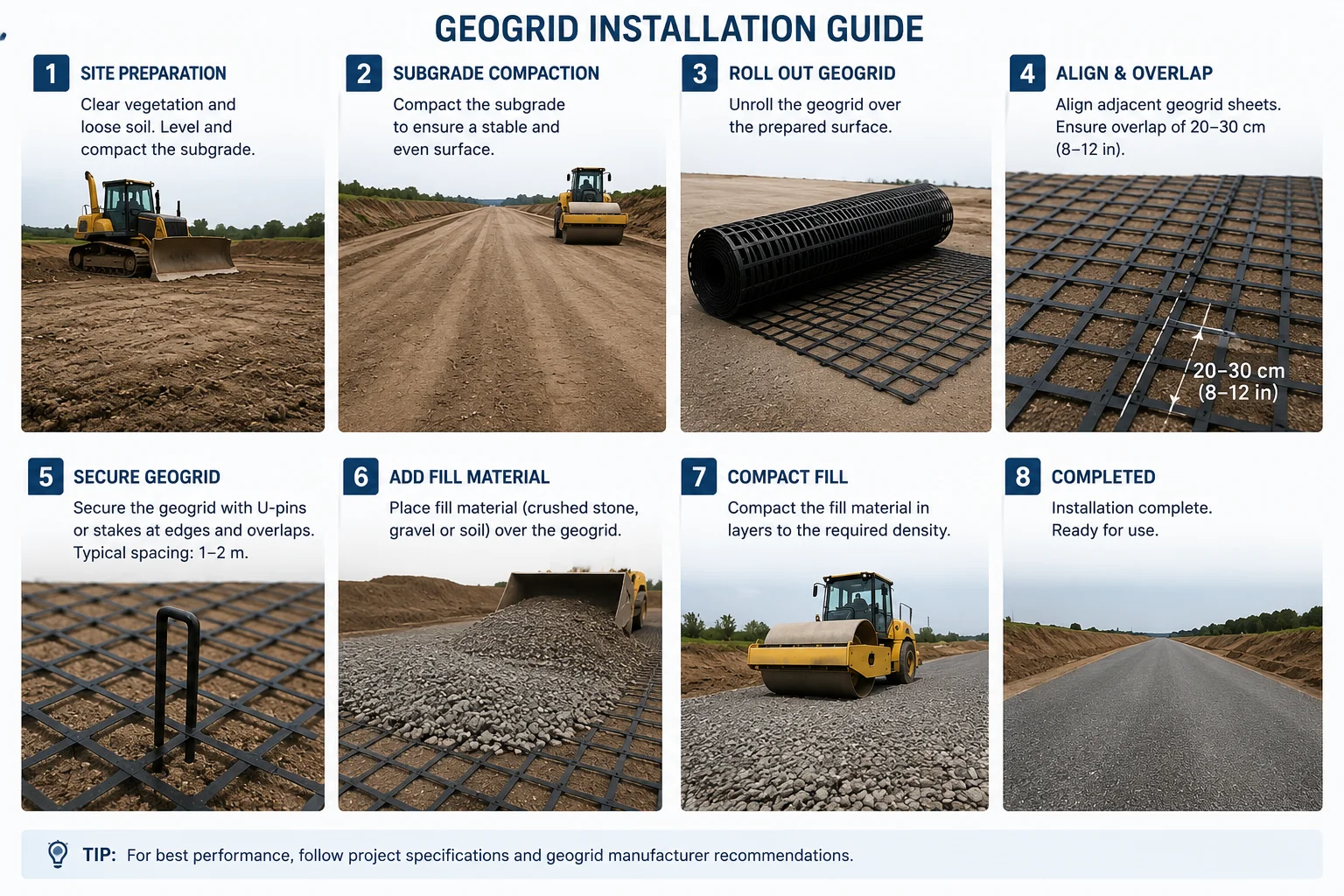
Correct installation is just as important as choosing the right geogrid product. Poor compaction, incorrect overlap, weak backfill or improper anchoring can reduce performance.
Geogrid Price Factors
Geogrid price depends on more than material type. Two geogrids that look similar may have very different costs because of strength, polymer type, coating, roll size and export requirements.
Main geogrid price factors include:
| Price Factor | How It Affects Cost |
|---|---|
| Material type | HDPE, PP, fiberglass and polyester have different cost structures |
| Tensile strength | Higher strength usually increases material cost |
| Aperture structure | Uniaxial, biaxial and triaxial-type structures differ in production cost |
| Coating or treatment | Fiberglass and polyester geogrids may require special coating |
| Roll size | Width and length affect packing, handling and shipping |
| Order quantity | Larger quantities can reduce unit cost |
| Destination port | Freight cost can significantly affect final landed price |
| Certification needs | Testing or documentation requirements may affect cost |
For a detailed breakdown, read our geogrid material cost guide.
Geogrid vs Geotextile: Which One Do You Need?
Geogrid and geotextile are both geosynthetic materials, but they are not used for the same purpose.
| Material | Main Function | Typical Use |
|---|---|---|
| Geogrid | Reinforcement and load distribution | Roads, retaining walls, driveways, slopes |
| Geotextile | Separation, filtration, drainage and protection | Road separation, drainage layers, erosion control, liner protection |
In many projects, geogrid and geotextile can be used together. For example, a road base may use geotextile for separation and geogrid for reinforcement.
If the main problem is soil movement, rutting or load support, geogrid is usually the reinforcement material to consider. If the main problem is soil separation, filtration or drainage, geotextile may be more suitable.
Custom Geogrid Supply for Project Buyers
Geosynsource supports geogrid selection and supply for contractors, distributors and engineering material buyers.
We can help you compare different geogrid materials, tensile strengths and roll sizes based on your project application.
Our geogrid supply options include:
- HDPE geogrid
- Uniaxial geogrid
- Biaxial geogrid
- Triaxial-type geogrid
- Fiberglass geogrid
- Polyester geogrid
- Custom roll width and length
- Project-based quotation support
- Export packing and shipment support
Before quotation, please share your project type, required strength, roll size, quantity and destination. If you are not sure which geogrid type is suitable, our team can help you compare options.
CTA Section Title: Need Help Choosing the Right Geogrid?
Send us your project details and we will recommend a suitable geogrid material, strength and roll size for your application.
Frequently Asked Questions About Geogrid Products
What is geogrid used for?
Geogrid is used for soil reinforcement, road base stabilization, retaining walls, driveways, slopes, embankments and asphalt pavement reinforcement. Its main function is to improve load distribution and reduce deformation.
What is the difference between geogrid and geotextile?
Geogrid is mainly used for reinforcement, while geotextile is mainly used for separation, filtration, drainage and protection. In some projects, both materials are used together.
Which geogrid is best for retaining walls?
Uniaxial geogrid or HDPE geogrid is commonly used for retaining wall reinforcement because it provides strong tensile performance in the main reinforcement direction.
Which geogrid is used for road construction?
Biaxial geogrid and triaxial-type geogrid are commonly used for road base reinforcement. Fiberglass geogrid may be used for asphalt overlay crack control.
What does 40kN geogrid mean?
40kN geogrid refers to a geogrid with a specified tensile strength level, usually expressed in kN/m. The correct strength should be selected according to project design requirements.
How is geogrid price calculated?
Geogrid price depends on material type, tensile strength, structure, coating, roll size, order quantity, destination port and testing requirements.
Can geogrid be supplied in custom roll sizes?
Yes. Geogrid can be supplied in different roll widths, roll lengths and strengths according to project and shipping requirements.