
Short Answer
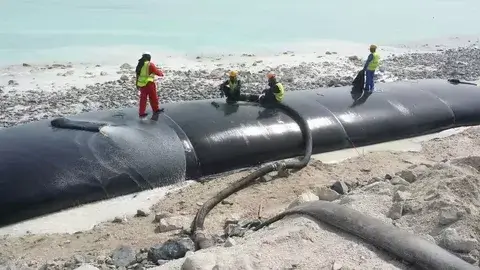
Geotubes are geotextile tubes used for dewatering, dredging sediment, sludge management, and wastewater treatment.
They work by allowing water to drain through permeable fabric while retaining solids inside the tube.
For technical specifications, custom sizing, and project-based supply, please visit our Geotube Manufacturer Page.
Introduction
Geotubes (geotextile tubes) are widely used in civil, environmental, and hydraulic engineering projects.
Beyond basic dewatering, geotubes serve as contained filtration systems, sediment retainers, and temporary storage solutions in multiple project applications.
This article explains the primary applications of geotubes and provides guidance on how geotubes are used effectively in practice.
What Are the Main Applications of Geotubes?
1. Dewatering in Dredging Operations
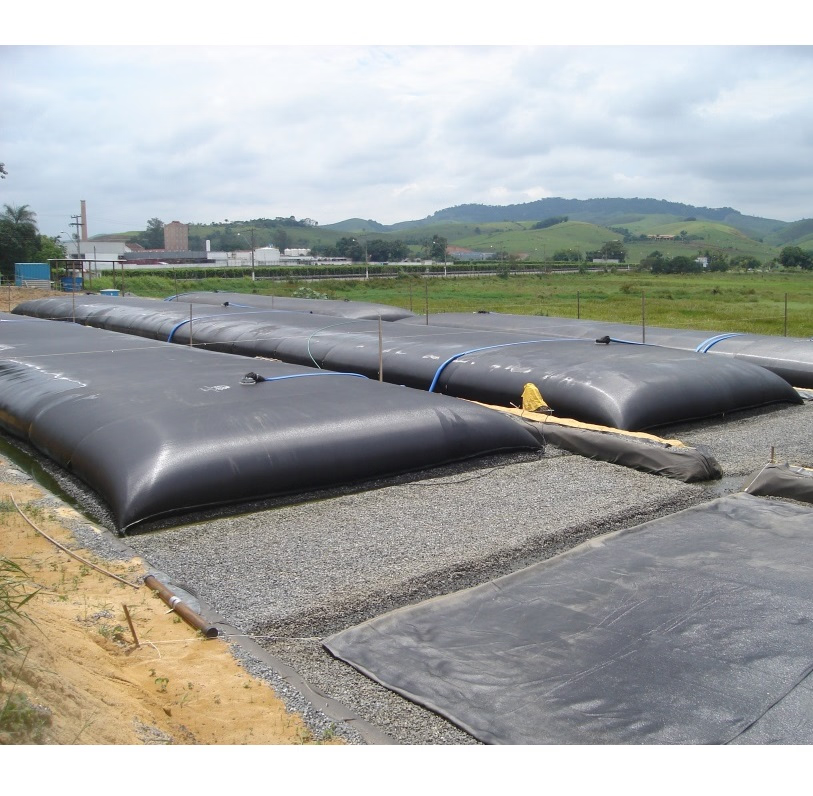
In dredging projects, geotubes are used to separate dredged sediments from water.
Slurry from dredging operations is pumped into geotubes.
Water permeates through the fabric.
Solids are retained inside the geotube.
Reduced volume solids can be handled or transported.
Typical scenarios:
Harbor or port maintenance dredging
Channel deepening projects
Lagoon desilting
2. Sludge Dewatering and Wastewater Treatment
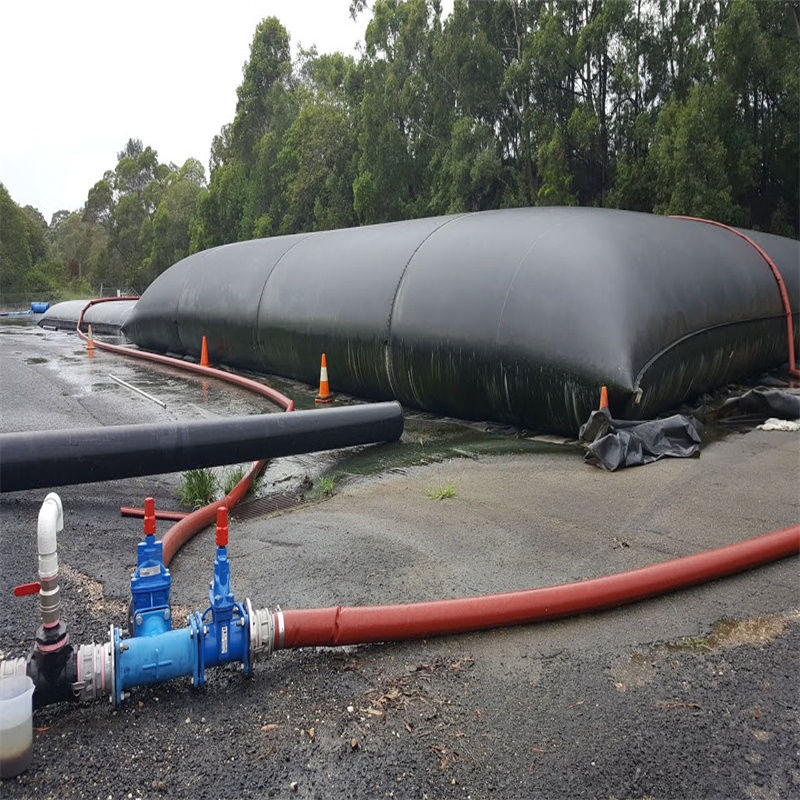
Geotubes serve as filtration containers in wastewater plants and industrial sludge processing.
Municipal sludge
Industrial wastewater solids
Food processing byproducts
Geotube application can significantly reduce disposal volume and improve handling compared to raw sludge.
3. Tailings Management in Mining
Mining operations generate large volumes of slurry and tailings.
Geotubes are an efficient method for:
Decreasing tailings water content
Stabilizing tailings for further processing
Reducing strain on mechanical dewatering resources
4. Construction Site Dewatering
Geotubes can be used to control groundwater and stormwater around construction sites.
They help manage:
excavated groundwater
runoff with sediment load
temporary water storage during wet seasons
How to Use Geotubes (Basic Steps)
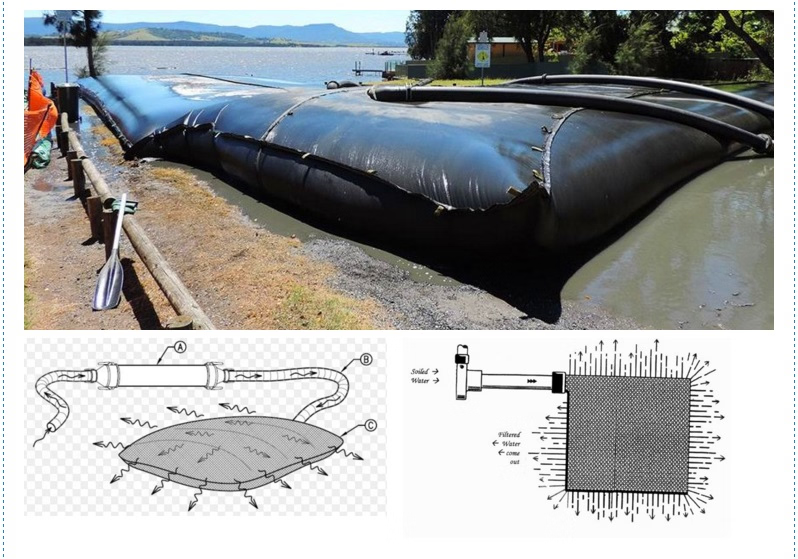
Geotube use follows a general engineering workflow:
Step 1: Project Assessment
Determine slurry characteristics.
Measure solids concentration and particle size.
Calculate estimated dewatering volume.
Select appropriate geotube size and fabric type.
Step 2: Site Preparation
Level the ground.
Provide containment berms if needed.
Prepare water collection drains or sumps.
Step 3: Filling the Geotube
Connect pump discharge hose to geotube inlet.
Slowly pump slurry into the geotube.
Monitor fill rate and solids settling.
Step 4: Drainage & Monitoring
Inspect water seepage around geotube.
Ensure free drainage without piping or washout.
Adjust filling if necessary.
Step 5: Post-Dewatering Handling
Let solids consolidate.
Plan for solids removal, cover, or further treatment.
Properly maintain geotube fabric until project end.
Geotube Installation Tips
Always choose the correct fabric permeability for the slurry type.
Avoid overfilling the tube beyond design capacity.
Provide stable subgrade and adequate anchoring for long-duration dewatering.
In marine or tidal environments, plan for tidal fluctuation.
Benefits of Using Geotubes
High solids retention efficiency
Reduced final solids volume
Lower equipment and energy cost
Scalable to large-volume requirements
Simple installation with minimal machinery
Common Questions About Using Geotubes
How long does a geotube take to dewater?
Dewatering time depends on:
slurry solids content
fabric permeability
drainage conditions
Typically, several hours to days based on scale.
Can geotubes be reused?
Geotubes can be reused if:
fabric strength remains intact
they are cleaned and properly stored
However, reuse depends on slurry composition and project requirements.
Learn more about our Geotube Solutions for Engineering Projects.
Internal Link to Your Authority Page
For technical specifications, project-based supply, and custom manufacturing of geotube solutions, visit our Geotube Manufacturer Page.


