A ground grid driveway is one of the most effective solutions for stabilizing gravel, grass, or light-duty paved driveways. By confining aggregate or soil within a structural grid system, it improves load distribution, reduces rutting, and extends driveway service life.
This guide explains how ground grid driveways work, when to use them, differences between ground grids and geogrids, installation steps, cost factors, and common mistakes to avoid.
What Is a Ground Grid Driveway?
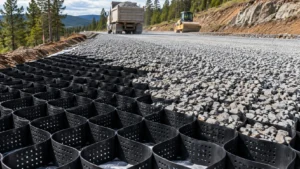
A ground grid driveway uses interlocking plastic grid panels installed beneath gravel, grass, or pavers to stabilize the surface layer.
The grid confines material laterally, preventing displacement under vehicle loads.
Ground grid systems are commonly used for:
-
Gravel driveways
-
Grass or turf driveways
-
Residential access roads
-
Parking areas and fire lanes
-
Light-traffic industrial yards
Unlike loose gravel alone, a grid-reinforced driveway maintains surface integrity under repeated traffic.
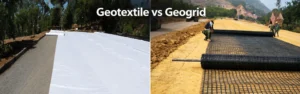
Ground Grid vs Geogrid: What’s the Difference?
This is one of the most common sources of confusion.
| System | Typical Use | Key Function |
|---|---|---|
| Ground Grid | Driveways, parking, landscaping | Surface confinement & load distribution |
| Geogrid | Roads, slopes, subgrade reinforcement | Structural soil reinforcement at depth |
-
Ground grids are three-dimensional cellular systems designed for surface stabilization.
-
Geogrids are planar reinforcement materials placed within soil layers for engineering-grade reinforcement.
👉 For residential and light-duty driveways, ground grid systems are usually the correct choice.
👉 For weak subgrades, heavy loads, or roadway applications, geogrid reinforcement may be required beneath the base layer.
How Ground Grid Systems Work

Ground grid driveway performance relies on three mechanisms:
-
Lateral confinement – Gravel or soil is locked within grid cells, preventing sideways movement.
-
Load distribution – Wheel loads are spread over a wider area, reducing bearing stress.
-
Surface stability – Rutting and washout are minimized even under repeated traffic.
Ground Grid for Gravel Driveways
Using a ground grid for gravel driveways significantly improves performance compared to loose aggregate.
Benefits
-
Reduces rutting and potholes
-
Prevents gravel migration
-
Improves load-bearing capacity
-
Reduces long-term maintenance
Design Tips
-
Match gravel size to grid cell dimensions
-
Use angular aggregate for better interlock
-
Place grid over a properly compacted base
Grass Stabilization Grid for Driveways
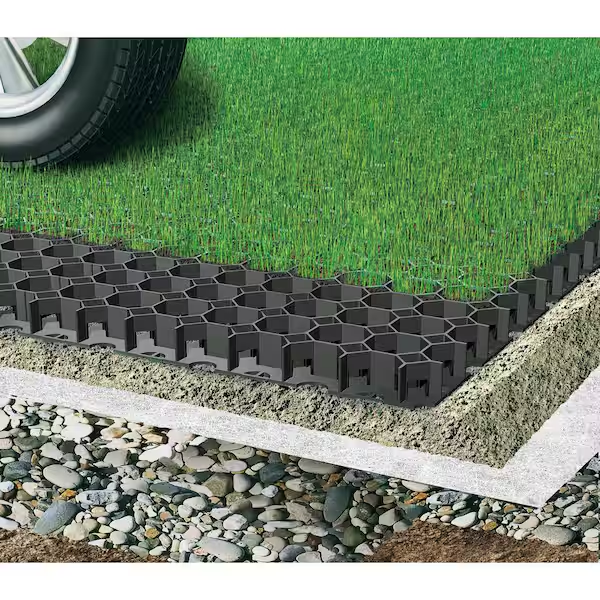
A grass stabilization grid allows vehicle access while maintaining a green, permeable surface.
Common Uses
-
Residential grass driveways
-
Emergency access lanes
-
Overflow parking areas
These grids support turf roots while protecting soil from compaction and shear damage.
Ground Grid Pavers for Driveways
Ground grid systems can also support pavers or hardscape surfaces, acting as a stabilizing base.
Applications include:
-
Decorative driveways
-
Pedestrian paths
-
Light-traffic paved areas
The grid improves base stability and reduces settlement beneath surface units.
Ground Grid Driveway Cost: What Affects the Price?
Ground grid driveway cost depends on several factors:
-
Grid material and thickness
-
Driveway area (m² or ft²)
-
Base preparation requirements
-
Aggregate type
-
Installation labor
Typical Cost Components
-
Grid panels
-
Base material
-
Gravel or soil infill
-
Installation and compaction
While grid systems add upfront cost, they often reduce long-term maintenance expenses by preventing surface failure.
Geotextile vs Gravel Grid: Common Misconceptions
A frequent mistake is confusing geotextile fabric with gravel grids.
-
Geotextiles provide separation and filtration
-
Ground grids provide structural confinement
Geotextiles alone do not prevent rutting.
They are often used together with ground grids for optimal performance.
How to Install a Ground Grid Driveway
A simplified installation workflow:
-
Excavate and grade subgrade
-
Place and compact base layer
-
Lay ground grid panels and interlock
-
Fill cells with gravel or soil
-
Compact and finish surface

Below is a demonstration of how ground grid panels are installed under gravel.
https://www.youtube.com/watch?v=dQAl4Pz3KaI
Common Mistakes to Avoid
-
Skipping proper base preparation
-
Using grids not rated for vehicle loads
-
Inadequate compaction
-
Incorrect gravel size
-
Confusing decorative grids with structural systems
Avoiding these mistakes is critical for long-term driveway performance.
Ground Grid Driveway FAQs
Is a ground grid suitable for gravel driveways?
Yes. Ground grids are widely used to stabilize gravel and reduce rutting.
Can grass grow through driveway grids?
Yes. Grass stabilization grids are designed to support turf growth.
Is geogrid required under a driveway?
Only in cases of weak subgrade or heavy loading. Most residential driveways use ground grids alone.
How long do ground grid driveways last?
With proper installation, ground grid systems can last decades with minimal maintenance.
Final Thoughts
A ground grid driveway provides a practical, cost-effective solution for stabilizing gravel, grass, and light-duty paved surfaces.
Choosing the right grid type, preparing the base correctly, and following proper installation practices are key to long-term success.
For projects involving weak soils, slopes, or heavy traffic, combining ground grids with engineered geogrid reinforcement may be appropriate.
{
“@context”: “https://schema.org”,
“@type”: “FAQPage”,
“mainEntity”: [
{
“@type”: “Question”,
“name”: “What is a ground grid driveway?”,
“acceptedAnswer”: {
“@type”: “Answer”,
“text”: “A ground grid driveway uses interlocking plastic or polymer grid panels installed beneath gravel, grass, or pavers to stabilize the surface. The grid confines aggregate laterally, improves load distribution, and reduces rutting and settlement.”
}
},
{
“@type”: “Question”,
“name”: “Is a ground grid suitable for gravel driveways?”,
“acceptedAnswer”: {
“@type”: “Answer”,
“text”: “Yes. Ground grid systems are widely used for gravel driveways because they lock aggregate in place, prevent spreading, and significantly reduce rutting and maintenance compared to unreinforced gravel.”
}
},
{
“@type”: “Question”,
“name”: “What is the difference between ground grid and geogrid?”,
“acceptedAnswer”: {
“@type”: “Answer”,
“text”: “Ground grids are three-dimensional systems designed for surface stabilization in applications like driveways and parking areas. Geogrids are planar reinforcement materials typically installed within soil layers to improve subgrade strength and load distribution in roads, slopes, and retaining structures.”
}
},
{
“@type”: “Question”,
“name”: “Do I need geogrid under a driveway?”,
“acceptedAnswer”: {
“@type”: “Answer”,
“text”: “In most residential driveways, geogrid is not strictly required. Ground grid systems are usually sufficient for surface stabilization unless the subgrade is very weak, poorly drained, or the driveway is subject to frequent heavy vehicle loads.”
}
},
{
“@type”: “Question”,
“name”: “Can ground grid systems be used for grass driveways?”,
“acceptedAnswer”: {
“@type”: “Answer”,
“text”: “Yes. Grass stabilization grids are specifically designed to support vehicle loads while allowing grass to grow through the cells, making them suitable for turf driveways and permeable access areas.”
}
},
{
“@type”: “Question”,
“name”: “How much does a ground grid driveway cost?”,
“acceptedAnswer”: {
“@type”: “Answer”,
“text”: “The cost of a ground grid driveway depends on grid type, driveway area, base preparation, aggregate selection, and installation labor. While grid systems add upfront cost, they often reduce long-term maintenance and regrading expenses.”
}
},
{
“@type”: “Question”,
“name”: “How is a ground grid driveway installed?”,
“acceptedAnswer”: {
“@type”: “Answer”,
“text”: “Installation typically involves preparing and compacting the subgrade, placing a base layer if required, laying and interlocking the grid panels, filling the cells with gravel or soil, and compacting the surface to finish.”
}
},
{
“@type”: “Question”,
“name”: “Does a ground grid eliminate the need for gravel?”,
“acceptedAnswer”: {
“@type”: “Answer”,
“text”: “No. Ground grids do not replace gravel but work together with it. The grid improves how gravel performs by confining it and distributing loads more effectively.”
}
},
{
“@type”: “Question”,
“name”: “How long does a ground grid driveway last?”,
“acceptedAnswer”: {
“@type”: “Answer”,
“text”: “When properly installed, high-quality ground grid systems are designed for long-term durability and can last for decades, often matching or exceeding the service life of the driveway surface.”
}
},
{
“@type”: “Question”,
“name”: “What are common mistakes when installing ground grid driveways?”,
“acceptedAnswer”: {
“@type”: “Answer”,
“text”: “Common mistakes include inadequate subgrade preparation, insufficient gravel cover before traffic, using rounded aggregate instead of angular stone, poor panel interlocking, and driving on exposed grids before infill.”
}
}
]
}