“How much does a 1-acre pond liner cost?”
This is one of the most common questions people ask — but it’s also one of the most misunderstood.
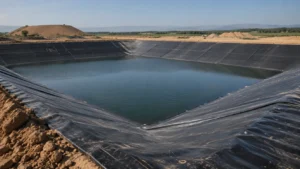
There is no single fixed price for a 1-acre pond liner. Cost depends on a mix of design decisions, material choice, installation method, and project conditions — not just surface area alone.
👉 In some industry estimates, material costs for a 1-acre liner can range from about $10,000 to well over $50,000 when installation is considered, and even more for premium systems.
Why “1 Acre” Alone Doesn’t Tell the Whole Story
An acre — roughly 43,560 square feet (about 4,047 m²) — only describes horizontal area.
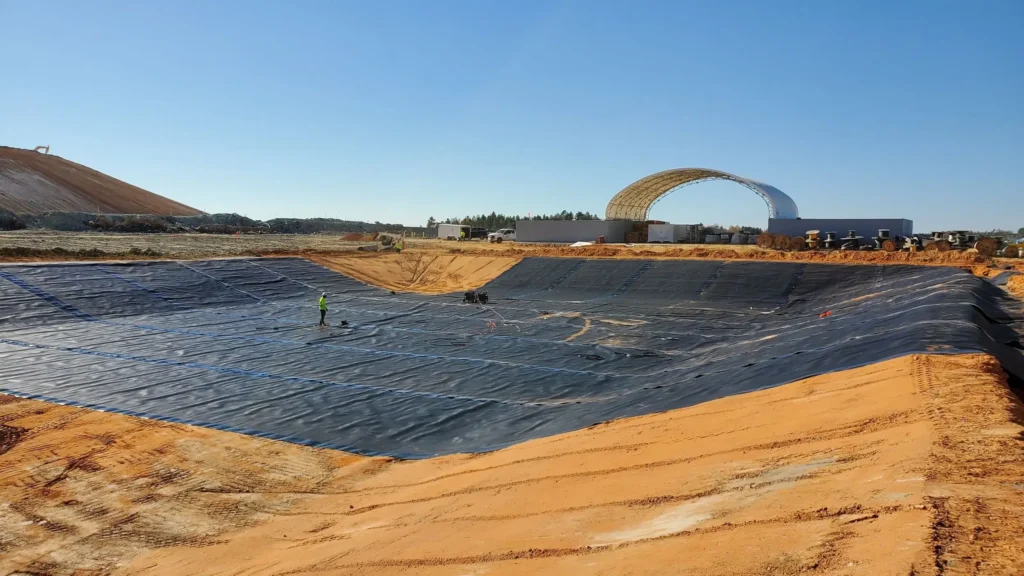
But a pond liner must cover slopes, anchor trenches, overlap allowances, and extra material for installation, so the actual liner area installed is always larger.
Depth, side angles, and site layout can add 10–30% or more to the liner material required.
Because of this, cost per surface acre comparisons are almost always misleading unless they include all relevant design factors.
What Drives the Cost of a 1-Acre Pond Liner
Here are the major cost drivers you need to understand:
🧱 Material Type
Different geomembrane materials vary widely in cost, performance, and longevity:
-
HDPE (High-Density Polyethylene) — cost-effective and durable for agricultural or utility ponds, widely used in infrastructure.
-
EPDM (Rubber) — more flexible and UV-stable, often chosen for decorative or fish-safe ponds.
-
PVC and RPE — lower upfront cost but generally shorter service life in harsh conditions.
Because of material choice alone, liner sheet costs can range from about $0.30 to over $3.00 per square foot ($3.23 to ~$32.29/m²), even before installation.
Choosing the best pond liner is not only about material or thickness.Budget expectations often change once buyers understand how pond size,depth, and installation affect total liner cost.
📏 Thickness and Performance Requirements
Thickness influences cost directly:
| Liner Thickness | Typical Use & Cost Influence |
|---|---|
| ~0.5–1.0 mm | Budget / thin liners — lowest cost |
| ~1.0–1.5 mm | Common commercial use |
| ~1.5–2.0 mm | Heavy-duty, long-life infrastructure |
Thicker liners not only cost more, they often require higher welding and handling skill, which raises labour cost too.
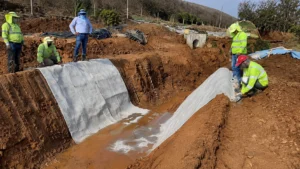
🔧 Installation & Labour
Installation often accounts for 30–50% of total project cost, especially on complex sites:
-
Welding method (hot-wedge vs adhesive)
-
Number of seams
-
Site accessibility
-
Ground preparation
Experienced installers can reduce long-term risk and failure rates, but skilled labour costs more.
📦 Logistics & Site Prep
Liners must be transported, handled, and staged on site:
-
Roll width affects seam count and labour
-
Hauling distance affects freight costs
-
Rocky or irregular ground requires more preparation
These practical factors can add thousands of dollars on top of the liner material price.
A Practical Cost Spectrum (Not a Quoted Price)
Based on aggregated industry data and supplier cost ranges:
🔹 Budget conventional installs: ~$10,000–$25,000 total
🔹 Typical engineered systems: ~$25,000–$50,000+
🔹 High-spec, deep or long-service ponds: potentially > $50,000
These ranges include liner material, welding, labour, and reasonable logistics allowances — but will vary by material type and region.
Why “Cheapest Per Square Foot” Doesn’t Guarantee Lowest Cost
Choosing the lowest liner price per square foot often backfires:
❌ Thin, low-cost liners can fail earlier
❌ Increased seams → labour time and risk
❌ Poor installation → expensive mid-life repairs
A slightly higher upfront material cost often saves money over time through:
-
Fewer seams
-
Longer service life
-
Less maintenance
This is why most engineers and designers focus on function and risk tolerance, not just initial cost.
How Professionals Approach Estimating Cost
Experienced designers don’t begin with:
“How much per acre?”
Instead, they start with:
-
Pond geometry (area + depth + slopes)
-
Material selection (HDPE, EPDM, PVC, RPE)
-
Performance requirements (service life, load)
-
Installation strategy and risk tolerance
Only then does cost become a meaningful number.
Final Takeaway: How Much Does a 1-Acre Pond Liner Cost?
There is no single answer.
Instead, a 1-acre liner cost should be seen as a range influenced by design choices:
Cheapest liners can be inexpensive initially, but choose based on performance needs, installation quality, and long-term reliability — not surface area alone.
Practical Budget Check
If a supplier quotes a price based only on acreage, without asking about depth, material, or performance expectations, the estimate is likely incomplete.
Continue Reading
-
Is 45 mil Pond Liner Good for Commercial Use?
→ Understand how thickness affects performance -
Is a 200 GSM Pond Liner Really Good Enough?
→ Why weight alone doesn’t determine liner suitability
Bottom line:
A 1-acre pond liner cost is shaped more by how you design and build it than simply how big it is.