When people search “pond liner cost” or “geomembrane sheet price,” they often expect a simple number.
But in reality, there is no single fixed price—because pond liner cost varies by:
-
material type
-
thickness
-
application (fish ponds, irrigation, industrial containment)
-
pond size & depth
-
installation quality
-
regional logistics
This Global Cost Guide gives you a complete and professional breakdown of pond liner pricing, from material differences to size-based estimates, plus real India market examples.
1. What Is a Geomembrane Pond Liner? (Simple Global Definition)
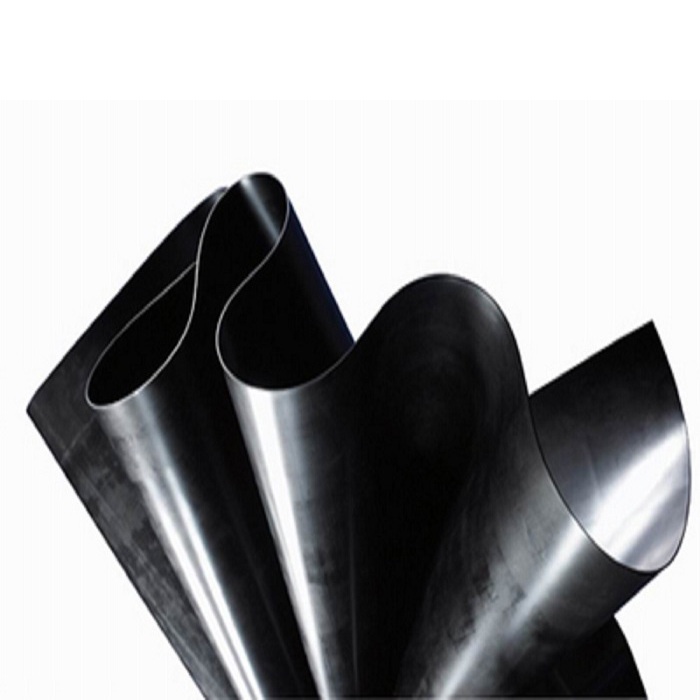
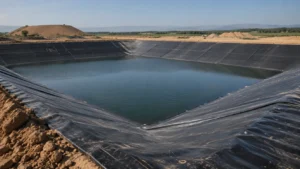
A geomembrane pond liner is an impermeable synthetic sheet made from polymers such as:
-
HDPE (High-Density Polyethylene)
-
LLDPE (Linear Low-Density Polyethylene)
-
PVC
-
EPDM
Why HDPE/LLDPE dominate worldwide
-
High tensile & puncture resistance
-
UV protection for hot climates
-
Chemical stability
-
Weldable seams for leak-proof performance
-
Long service life
-
Best cost–performance ratio
These advantages make HDPE the global standard for ponds, reservoirs, canals, and industrial containment.
2. Pond Liner Cost Snapshot — Global Pricing (2025)
| Thickness | Global Price Range (USD/m²) | Common Uses |
|---|---|---|
| 0.5 mm | $0.40–0.70 | irrigation ponds |
| 0.75 mm | $0.60–1.00 | aquaculture ponds |
| 1.0 mm | $0.80–1.40 | fish farming & irrigation |
| 1.5 mm | $1.30–2.00 | industrial projects |
| 2.0 mm | $1.80–2.80 | hazardous waste |
📌 Installation, welding, QA testing, and logistics add 20–40% globally.
3. What Factors Influence Pond Liner Price?

No matter the country, pond liner cost is decided by several universal factors:
3.1 Material Type
| Material | Cost | Durability | Flexibility | Notes |
|---|---|---|---|---|
| HDPE | Low | ★★★★★ | ★★★☆☆ | Global standard |
| LLDPE | Medium | ★★★★☆ | ★★★★★ | Best for aquaculture |
| PVC | Medium-High | ★★★☆☆ | ★★★★☆ | Landscaping uses |
| EPDM | High | ★★★★★ | ★★★★★ | Premium liner |
3.2 Thickness
-
Thicker liners last longer and resist damage
-
Common range: 0.5 mm → 2.0 mm
3.3 Application Type
| Application | Recommended Thickness |
|---|---|
| Aquaculture | 0.75–1.0 mm |
| Irrigation | 0.5–0.75 mm |
| Industrial effluent | 1.5 mm+ |
| Hazardous waste | 2.0 mm |
3.4 Installation & QA Quality
Professionally installed liners use:
-
hot wedge welding
-
extrusion welding
-
vacuum box testing
-
air channel testing
These steps significantly affect project cost.
3.5 Logistics & Market Conditions
Market variations come from:
-
resin price fluctuations
-
freight costs
-
import duties
-
regional supply availability
4. Material vs Cost Comparison Table (Global Overview)

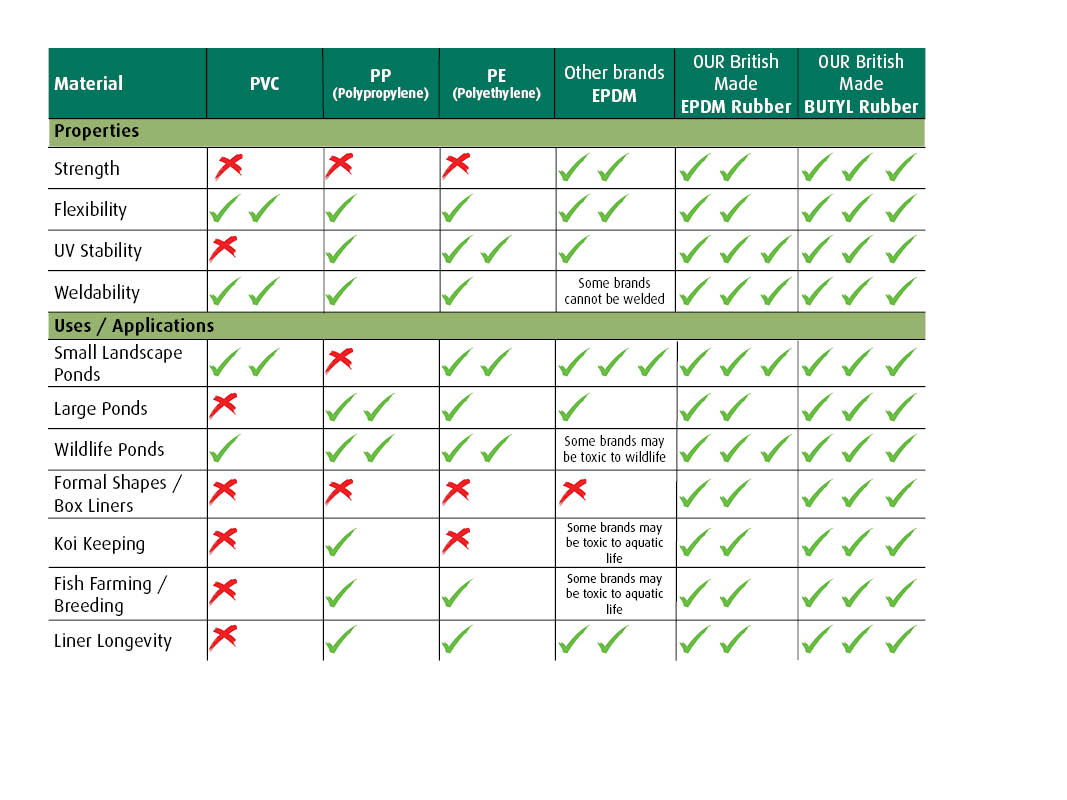
| Material | Cost Level | Lifespan | Flexibility | Best For |
|---|---|---|---|---|
| HDPE | Low | Long | Medium | irrigation, industrial |
| LLDPE | Medium | Long | High | aquaculture |
| PVC | Medium-High | Medium | High | landscaping |
| EPDM | High | Very long | Very high | premium projects |
5. Pond Liner Area Calculation Formula (Universal Engineering Method)
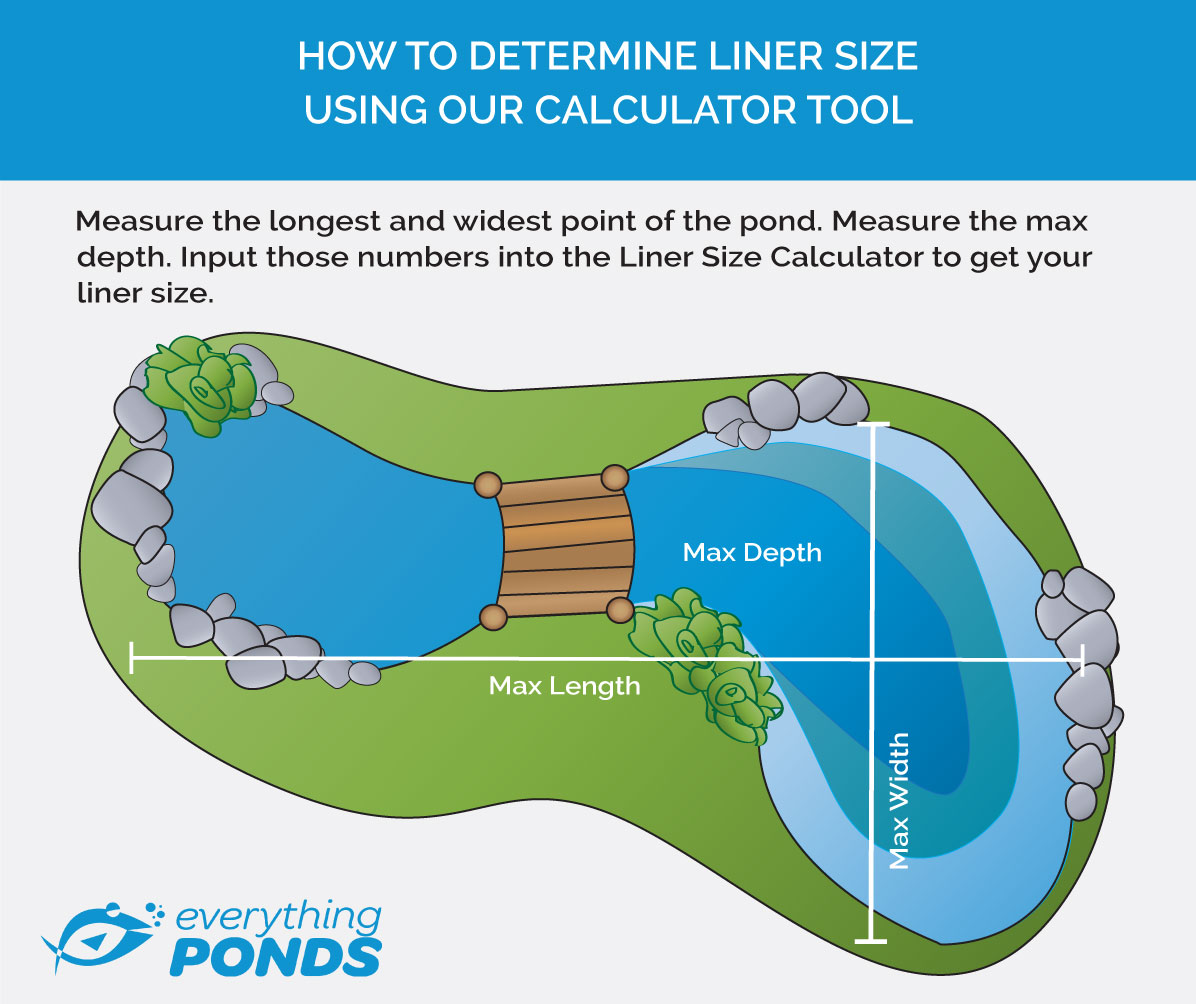
Typical anchor trench allowance: 0.5–1.0 m
6. Pond Size vs Cost — Global Estimates
| Pond Size | Area (m²) | Thickness | Estimated Cost (USD) |
|---|---|---|---|
| 50×40 ft | ~300 | 1.0 mm | $240–420 |
| 100×50 ft | ~600 | 1.0 mm | $480–840 |
| 1 acre pond | 3,000–3,500 | 1.0–1.5 mm | $4,000–9,000 |
Actual prices vary significantly by region.
7. Regional Price Example — India Market (2025)

India has a huge market for HDPE/LLDPE pond liners.
Below is the latest reference price (₹ per m²):
| Thickness | India Price (₹/m²) | Common Use |
|---|---|---|
| 0.5 mm | 25–35 | irrigation |
| 0.75 mm | 35–50 | shrimp/fish ponds |
| 1.0 mm | 50–70 | aquaculture & farm ponds |
| 1.5 mm | 80–110 | industrial |
| 2.0 mm | 120–160 | hazardous liquids |
Installation adds 20–40% to total cost.
8. India Case Studies (Real Projects)
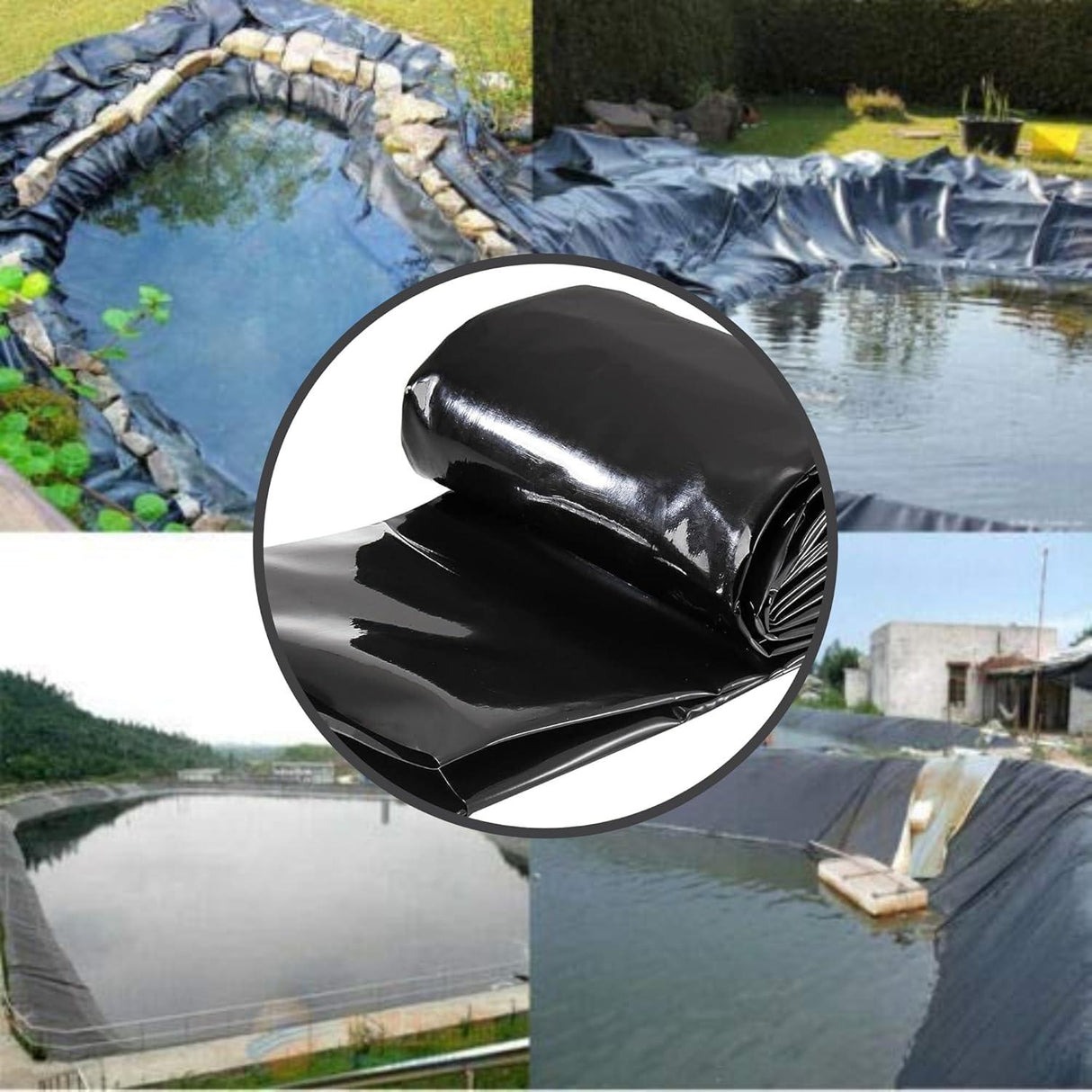
Case A — Irrigation Pond (Gujarat)
-
Pond area: ~3,000 m²
-
Material: 1.0 mm HDPE + 200 gsm geotextile
-
Installed cost: ₹3–3.2 lakh
Case B — Shrimp Farming (Andhra Pradesh)

-
Thickness: 0.75–1.0 mm
-
Smooth HDPE for easy cleaning
-
Higher efficiency repaid cost in 1–2 cycles
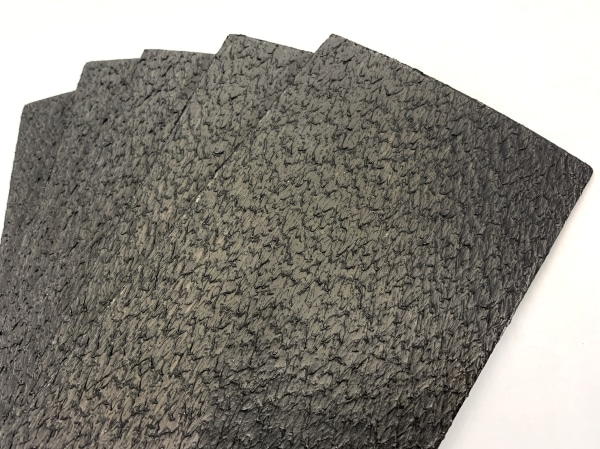
Case C — Industrial Effluent Pond (Maharashtra)
-
Material: 1.5 mm textured HDPE
-
Full QA testing
-
Cost driven by chemical resistance requirements
9. How to Reduce Pond Liner Costs (Global Best Practices)

-
Buy in volume
-
Choose the right thickness
-
Optimize pond layout to reduce seams
-
Use reliable local suppliers
-
Always insist on QA testing
-
Avoid ultra-cheap material (hidden long-term risk)
10. Frequently Asked Questions (FAQ)
Q1: What is the global price range of pond liners?
$0.40–$2.80 per m² depending on thickness and material.
Q2: What is the price of pond liners in India?
₹25–160 per m² depending on thickness.
Q3: Which liner is best for aquaculture?
0.75–1.0 mm HDPE or LLDPE.
Q4: How long does HDPE liner last?
8–20 years depending on UV exposure and installation quality.
Q5: Why are India prices lower than global averages?
Competitive manufacturing, large-scale production, and lower labor/logistics cost.
Conclusion
Pond liner price is never just a single number—it depends on material, thickness, application, installation quality, and regional market conditions.
For most projects worldwide, HDPE geomembrane remains the most reliable and cost-effective choice.
To get an accurate cost estimate, define your pond specifications and request a quotation that includes:
-
material cost
-
installation + welding
-
QA testing
-
logistics
-
warranty
This ensures you receive the true cost of ownership, not just the sheet price.