HDPE Geomembrane Tensile Strength Summary
• Thin liners: 25–40 kN/m
• Thick liners (2–3 mm): 70–100 kN/m
• Tested using ASTM D6693 / GRI-GM13
Introduction to HDPE Geomembrane
HDPE geomembrane is widely used in civil engineering and environmental protection projects. It serves as a reliable barrier against liquid and gas migration, making it essential for landfills, reservoirs, and mining operations.
When engineers or project managers evaluate geomembranes, one of the first questions they ask is: “What is the tensile strength of HDPE geomembrane?” The answer helps determine whether the liner will withstand construction stress, settlement, or long-term exposure in demanding environments.
This article provides a practical overview of HDPE geomembrane, including its tensile properties, testing standards, related mechanical strengths, and typical applications.
What is HDPE Geomembrane?
-
Key Features
-
Typical Thickness Range
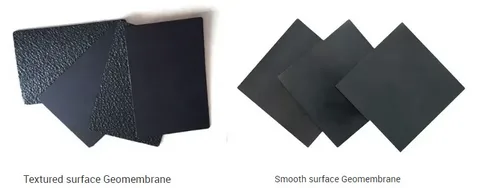
HDPE geomembrane is a flexible sheet produced from high-density polyethylene resin. It is designed to provide impermeability and durability in a wide range of projects. Typical thicknesses range from 0.5 mm to 3.0 mm, depending on the application.
Key features include:
-
Resistance to chemicals such as acids, alkalis, and hydrocarbons.
-
High tensile and puncture strength.
-
Long service life under outdoor exposure.
-
Cost-effective compared with other liners like PVC or LLDPE.
What is the Tensile Strength of HDPE Geomembrane?
-
Yield Strength vs Break Strength
-
Why Tensile Strength Matters
Tensile strength measures the force per unit width required to stretch the geomembrane until yield or break. It is one of the most important indicators of a liner’s performance.
Two values are normally reported:
-
Yield strength – the stress at which permanent deformation begins.
-
Break strength – the maximum stress the membrane can withstand before rupture.
Tensile Testing Standards
The most common standards include:
-
ASTM D6693 – widely used for geomembranes.
-
GRI-GM13 – specification for HDPE liners.
-
ISO 527 – general method for tensile testing of plastics.
Typical Tensile Strength Values by Thickness

| Thickness (mm) | Yield Strength (kN/m) | Break Strength (kN/m) | Elongation at Break (%) |
|---|---|---|---|
| 0.5 | 15 – 18 | 22 – 25 | ≥ 700 |
| 1.0 | 25 – 27 | 35 – 40 | ≥ 700 |
| 1.5 | 35 – 38 | 50 – 55 | ≥ 700 |
| 2.0 | 45 – 48 | 65 – 70 | ≥ 700 |
| 3.0 | 65 – 70 | 95 – 100 | ≥ 700 |
In general, thinner liners have a tensile strength of around 25 kN/m, while thicker membranes can reach more than 100 kN/m. Actual results may vary with resin quality and production methods, so it is always best to request a test report from the supplier.
Other Mechanical Properties to Consider
Besides tensile strength, engineers usually check several related properties before approving a geomembrane:
-
Tear resistance – to avoid propagation of small cracks.
-
Puncture resistance – critical during installation on rough subgrades.
-
Elongation at break – HDPE membranes can typically stretch more than 700% before failure.
-
Environmental stress crack resistance (ESCR) – ensures durability under combined stress and chemical exposure.
-
Seam strength – strong welds are essential for leak-proof lining systems.
Factors Affecting HDPE Geomembrane Strength
Not all HDPE geomembranes perform the same. Their tensile properties depend on:
-
Thickness – thicker liners are stronger and more resistant to puncture.
-
Resin quality – virgin HDPE performs better than recycled blends.
-
Production process – advanced extrusion technology improves uniformity.
-
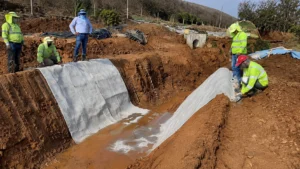
Installation practices – careful handling and welding reduce the risk of weak points.
-
Environmental exposure – UV, temperature, and chemical conditions affect long-term performance.
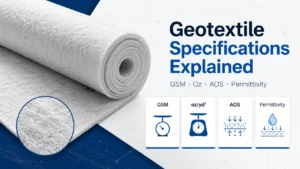
Besides tensile strength and puncture resistance, the performance of an HDPE geomembrane system can also depend on the correct geotextile protection layer.
Standards and Certifications
When evaluating a supplier, confirm whether the product meets international standards such as:
-
GRI-GM13 for HDPE geomembranes.
-
ASTM D6693, D4833, D1004 for tensile, puncture, and tear tests.
-
ISO9001, ISO14001, OHSAS18001 for quality and environmental management.
Requesting a third-party test report is always a good practice before placing an order.
Common Applications of HDPE Geomembranes

Thanks to its combination of tensile strength, chemical resistance, and impermeability, HDPE geomembrane is used in many sectors:
-
Landfills – as base liners and capping systems.
-
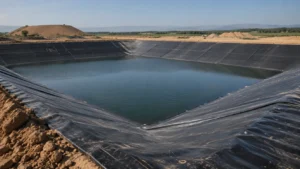
Mining – for heap leach pads, tailings dams, and evaporation ponds.
-
Reservoirs and canals – to reduce water loss.
-
Wastewater treatment plants – for sludge ponds and lagoons.
-
Agriculture and aquaculture – for irrigation ponds and fish farming.
Thickness Recommendations by Application
-
0.75–1.0 mm: aquaculture and small ponds.
-
1.5 mm: canals and wastewater treatment.
-
2.0–3.0 mm: landfills and mining projects.
HDPE Geomembrane Buying Guide
When selecting HDPE geomembrane for your project:
-
Define the design requirements (impermeability, chemical resistance, service life).
-
Choose the right thickness for the application.
-
Review tensile strength and other mechanical test data.
-
Check compliance with ASTM or GRI standards.
-
Evaluate supplier reliability and technical support.
-
Confirm installation services and quality control.
Conclusion

HDPE geomembrane is a strong, durable, and cost-effective liner used across many industries. Its tensile strength varies with thickness, ranging from about 25 kN/m for thin sheets to over 100 kN/m for thicker ones, tested according to ASTM D6693 or GRI-GM13.
By combining high tensile properties with resistance to chemicals and environmental factors, HDPE geomembrane provides long-term protection in landfills, mining sites, reservoirs, and wastewater treatment facilities.
👉 For detailed datasheets, free samples, or a project quotation, feel free to contact our technical team.
FAQ
Q1: What is the typical tensile strength of HDPE geomembrane?
Thin liners (0.5–1.0 mm) usually range from 15–40 kN/m, while thicker membranes (2.0–3.0 mm) can exceed 70–100 kN/m, based on ASTM D6693 test results.
Q2: Which standards define HDPE geomembrane tensile properties?
The most common standards are ASTM D6693, GRI-GM13, and ISO 527.
Q3: What factors influence the tensile strength of HDPE geomembrane?
Thickness, resin quality, manufacturing process, installation practices, and long-term environmental exposure.
Q4: Is HDPE geomembrane suitable for outdoor exposure?
Yes. HDPE has strong UV resistance and long service life when installed and protected properly.
Q5: What thickness of HDPE geomembrane is recommended for landfills?
Landfills typically require 2.0–3.0 mm liners to meet durability and puncture resistance requirements.