Introduction
Modern garden design is about more than just aesthetics—it’s also about sustainability and functionality. One innovative material gaining popularity is lawn grid plastic, which offers versatile solutions for landscaping challenges. From lawn drainage solutions to soil erosion prevention, it provides both structural support and environmental benefits.
Overview of Lawn Grid Plastic

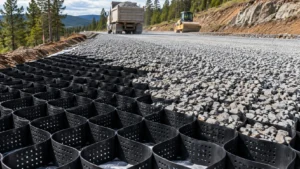
Lawn grid plastic is a durable, eco-friendly material designed to reinforce soil, grass, and gravel surfaces. Its honeycomb-like structure distributes weight evenly, allowing for vehicle loads while maintaining natural water flow. This makes it a perfect fit for homeowners seeking greener alternatives in garden and landscape design.
Benefits of Using Lawn Grid Plastic in Garden Design

Enhanced durability of lawns and pathways
Effective lawn drainage solutions to prevent puddling
Reliable soil erosion prevention on slopes and uneven terrain
Eco-friendly alternative to solid paving
Supports sustainable landscaping practices
Creative Use 1: Grass Reinforcement Grid in Driveways

Advantages of Grass Driveway Grid
Unlike traditional concrete driveways, a grass driveway reinforced with lawn grid plastic offers both strength and a natural aesthetic. The grid structure supports vehicle weight while keeping the grass intact.
Installation Tips for Optimal Results
Level the base soil before installation
Use a sand or gravel sub-base for drainage
Fill grids with soil and seed for natural regrowth
Creative Use 2: Parking Grass Grid for Sustainable Parking

Environmental Benefits of Parking Grass Grid
Green parking solutions reduce surface runoff and urban heat. Using lawn grid plastic under parking areas allows grass to thrive while supporting heavy loads, making it both functional and eco-friendly.
Maintenance Tips for a Lasting Solution
Regularly mow and water the grass
Ensure proper soil nutrients for healthy growth
Check grids periodically for wear and tear
Creative Use 3: Plastic Grass Grid for Erosion Prevention

How Lawn Grid Plastic Aids Soil Stability
Sloped landscapes are prone to displacement. Installing lawn grid plastic creates a stabilizing layer that locks soil in place, making it highly effective for soil erosion prevention.
Recommended Practices for Effective Erosion Control
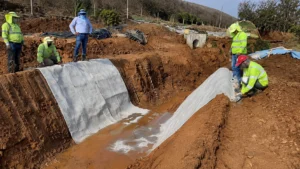
Use geotextile fabric under the grid for extra stability
Fill with gravel or grass depending on the slope
Combine with proper drainage channels for maximum effectiveness
Creative Use 4: Plastic Path Grid for Garden Walkways

Design Ideas Using Plastic Path Grid
Garden walkways often struggle with uneven ground or muddy patches. By using plastic path grids, you can design attractive gravel or grass paths that stay stable and visually appealing.
Ensuring Proper Lawn Drainage Solutions
One of the biggest advantages of lawn grid plastic is its permeability. Water naturally flows through, reducing the risk of pooling and providing effective lawn drainage solutions for garden walkways.
Creative Use 5: Lawn Drainage Solutions with Grass Reinforcement

Importance of Lawn Drainage in Garden Design
Poor drainage can damage plants and lead to muddy, unusable spaces. Lawn grid plastic ensures water moves efficiently through the soil, keeping the garden healthy and functional.
Implementation Strategies for Best Outcomes
Install grids with a slight slope to encourage runoff
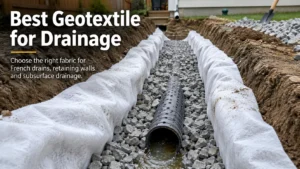
Combine with underground drainage pipes if needed
Use high-quality soil infill for better absorption
Conclusion
Recap of Creative Uses
From grass reinforcement grids in driveways to soil erosion prevention on slopes, lawn grid plastic proves to be a versatile and sustainable solution. It improves drainage, prevents soil loss, and enhances the durability of garden spaces.
Encouragement to Implement Lawn Grid Plastic
If you want to create a functional, eco-friendly, and visually appealing outdoor space, consider integrating lawn grid plastic into your garden design. It’s a long-term investment in both beauty and sustainability.