Quick Answer:
High-quality driveway grids can last for many years when installed over a properly prepared sub-base. In most cases, lifespan depends less on the grid alone and more on base preparation, drainage, traffic load, and long-term maintenance.
How Long Do Driveway Grids Last?
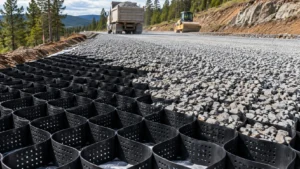
Driveway grids are designed to create a stable, load-bearing surface for gravel driveways, parking areas, and access roads. When installed correctly, they can perform for many years with minimal maintenance.
The real answer, however, depends on more than just the grid itself. Material quality, sub-base construction, drainage, vehicle load, and installation standards all play a major role in how long a driveway grid system will last.
In other words, a high-quality grid placed over a weak base will not perform as well as a properly installed system built with the right groundwork from the start.
What Determines the Lifespan of Driveway Grids?
Several factors affect how long driveway grids last in real-world applications.
1. Grid Material Quality
Not all driveway grids are made to the same standard. Heavy-duty plastic grids made from durable polymers generally perform better over time than lightweight systems designed for occasional foot traffic or landscaping use.
A stronger grid structure helps resist cracking, deformation, and long-term fatigue under repeated vehicle loads.
2. Sub-Base Preparation
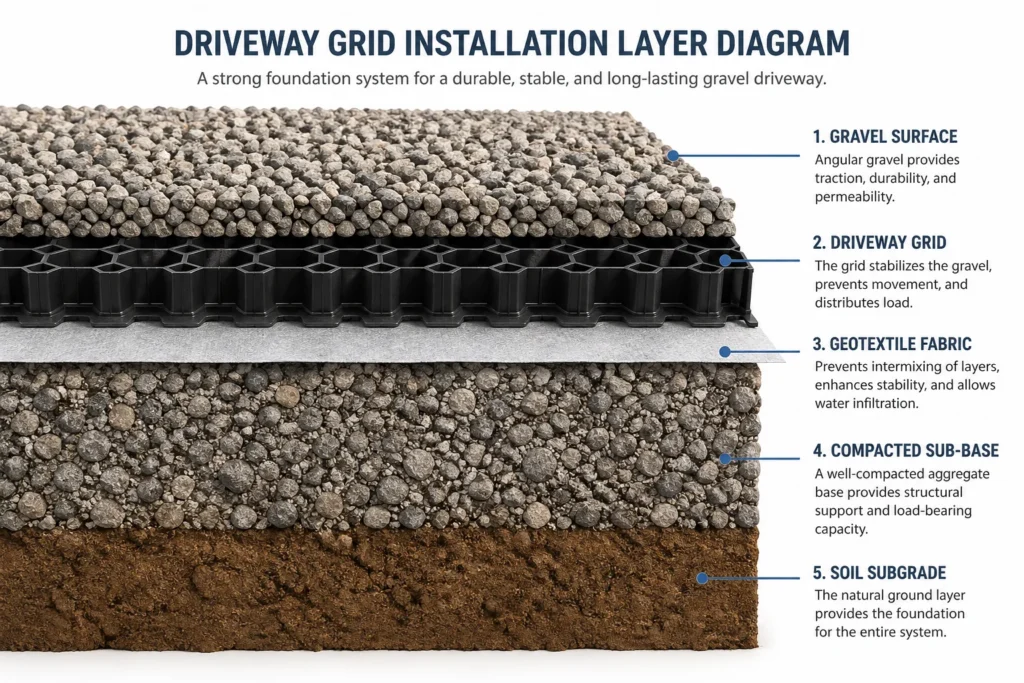
Sub-base quality is often the most important factor in overall lifespan. A stable, well-compacted base distributes vehicle loads evenly and reduces movement below the surface.
If the base is poorly prepared, even a strong grid can begin to shift, settle, or fail prematurely.
3. Drainage Performance
One of the main advantages of driveway grids is that they help create a permeable surface. Good drainage reduces standing water, frost damage, and surface instability.
Poor drainage can weaken the base layer, increase movement, and shorten the service life of the whole system.
4. Traffic Load and Frequency
A private residential driveway used by passenger cars places less stress on a grid system than an area used by vans, trucks, or frequent turning movements.
Heavier loads and higher traffic volumes usually require a stronger grid specification and a more robust base design.
5. Installation Quality
Correct installation matters at every step, from excavation depth to compaction, edge restraint, geotextile use, and gravel selection.
Improper installation often leads to rutting, gravel migration, and localized cell damage over time.
6. Maintenance
Driveway grids are low maintenance, but not maintenance-free. Occasional topping up of gravel, checking edge stability, and correcting localized movement early can help extend lifespan significantly.
How Long Do Plastic Driveway Grids Usually Last?
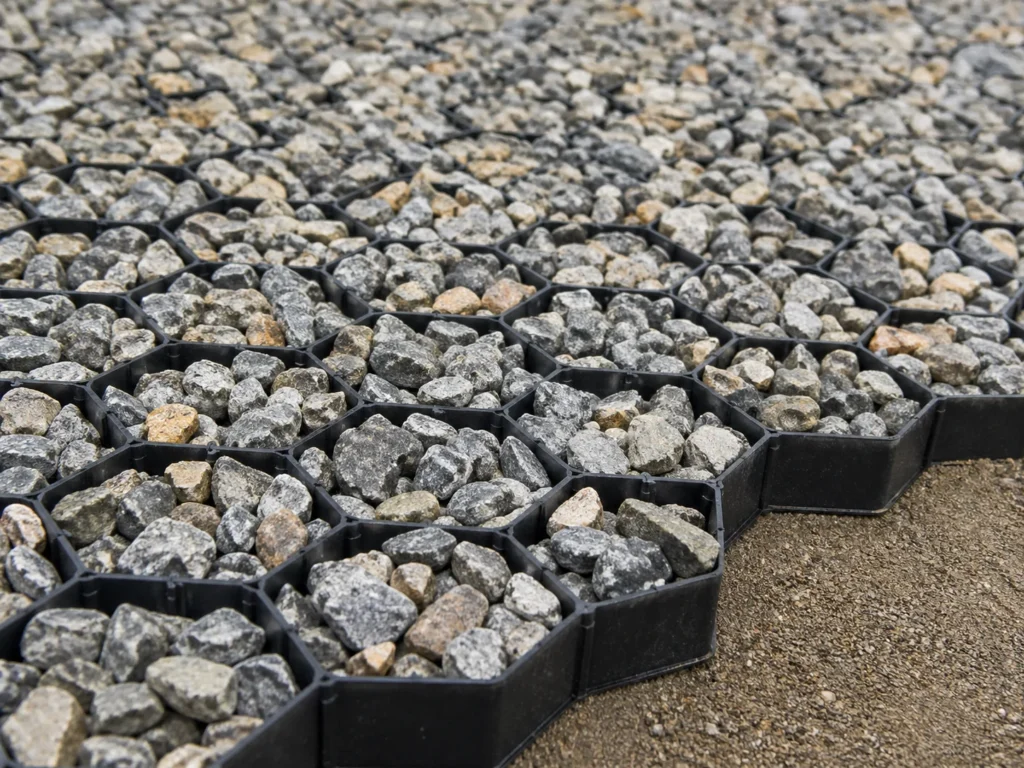
Plastic driveway grids can last for many years when they are made from quality materials and installed correctly.
In residential applications, a properly designed system can offer long-term performance with very little upkeep. In more demanding environments, such as commercial areas or access routes with heavier vehicles, lifespan will depend on whether the grid and base were designed for that load category.
Rather than asking only how long the plastic lasts, it is better to evaluate the lifespan of the entire driveway system:
- the grid structure
- the sub-base
- the gravel layer
- the drainage performance
- the installation standard
A durable grid is only one part of a durable driveway.
Why the Base Matters More Than Most People Expect
Many buyers focus only on the visible surface, but the hidden foundation is what supports long-term performance.
A driveway grid helps stabilize the gravel and distribute weight, but it cannot compensate for a weak or poorly compacted foundation. If the base settles, holds water, or shifts under traffic, the surface above will usually start to show signs of wear much sooner.
That is why a professionally prepared sub-base often makes the difference between a driveway that performs well for years and one that develops rutting and movement much earlier than expected.
Do Driveway Grids Last Longer Than Loose Gravel?
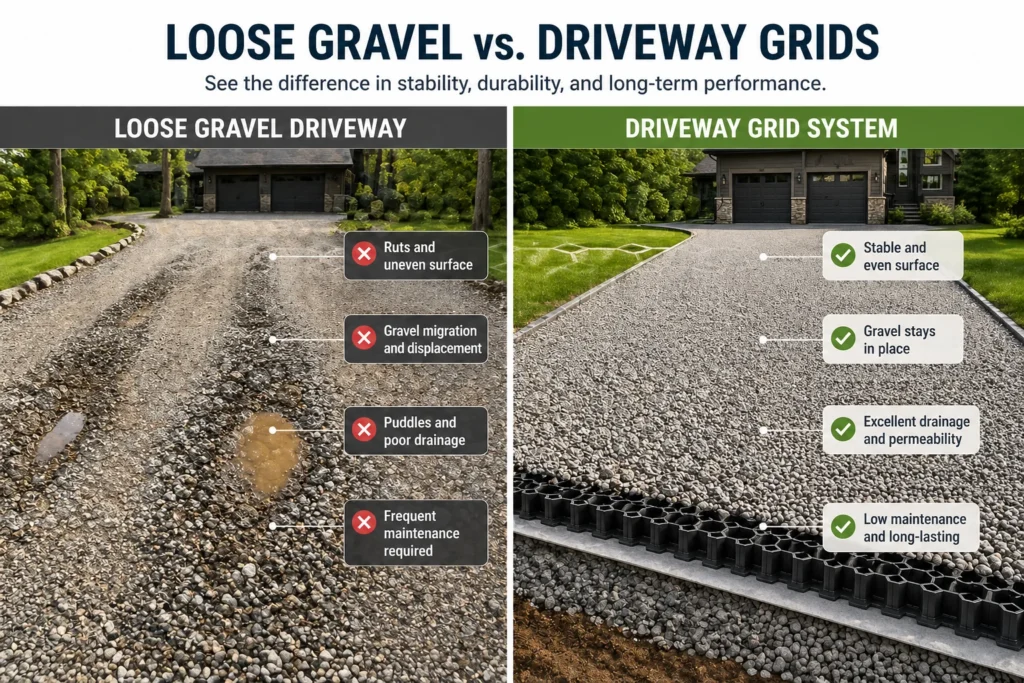
In many cases, yes.
Loose gravel driveways without a stabilization system are more likely to experience:
- gravel migration
- wheel rutting
- uneven surface levels
- displacement near turning areas
- ongoing topping-up costs
A driveway grid helps hold the aggregate in place, improves load distribution, and creates a more stable surface under traffic. That added stability usually improves long-term performance and reduces the frequency of surface maintenance.
So while the gravel itself may still need occasional replenishment, the overall driveway structure is generally more durable when reinforced with a suitable grid system.
Common Signs a Driveway Grid System Is Wearing Out
Even long-lasting systems should be checked occasionally. Common signs of performance issues include:
Surface Rutting
If wheel paths begin to sink or deform, the base may be moving or the grid may be under-specified for the traffic load.
Gravel Loss or Migration
If gravel frequently shifts out of place, the surface may not have been installed correctly, or the selected aggregate may not be ideal for the system.
Localized Cell Damage
Cracked or crushed cells can appear in areas exposed to concentrated turning forces, repeated heavy loads, or edge instability.
Standing Water
Pooling water usually suggests drainage problems below or around the driveway, which can reduce long-term durability.
Edge Movement
If the edges begin to spread or sink, the system may be losing lateral support.
How to Make Driveway Grids Last Longer
If you want maximum service life from your driveway grid system, focus on the following:
Choose the Right Grid for the Application
Residential cars, SUVs, vans, and occasional delivery vehicles do not all place the same demands on a driveway. Select a grid system that matches the expected load.
Build a Proper Sub-Base
Excavation depth, base material, and compaction quality should all suit the soil conditions and traffic requirements.
Use Suitable Gravel
Angular gravel generally locks together better than rounded stone and helps the surface remain stable.
Maintain Good Drainage
Prevent water from collecting on or below the driveway surface.
Protect the Edges
Strong edge restraint helps the system resist spreading and keeps the surface stable over time.
Carry Out Simple Maintenance
Periodic inspection and minor corrections can prevent small issues from becoming structural problems.
Are Driveway Grids Worth It for Long-Term Use?
For many projects, yes.
Driveway grids are often chosen because they improve gravel stability, reduce rutting, support permeability, and create a cleaner, more durable driveway surface. They can also reduce the need for constant regrading and topping up compared with loose gravel alone.
For homeowners, contractors, and property developers looking for a more stable gravel driveway solution, a properly specified driveway grid system can provide strong long-term value.
Final Answer
So, how long do driveway grids last?
A well-made driveway grid system can last for many years, but its real lifespan depends on the quality of the grid, the strength of the sub-base, the level of drainage, and the weight of traffic it carries.
If the installation is done correctly and the system is matched to the application, driveway grids can provide reliable long-term performance with relatively low maintenance.
FAQ
How long do driveway grids last in residential driveways?
In residential applications, driveway grids can last for many years when installed over a properly prepared and compacted base.
What causes driveway grids to fail early?
The most common causes are poor base preparation, drainage problems, heavy traffic beyond design limits, and incorrect installation.
Do plastic driveway grids crack over time?
Low-quality or under-specified grids may crack under excessive load or poor installation conditions. High-quality systems designed for vehicle traffic are built for long-term performance.
Are driveway grids better than loose gravel alone?
Driveway grids usually provide better stability, less gravel migration, improved drainage, and lower long-term maintenance than loose gravel without reinforcement.
Do driveway grids need maintenance?
Yes, but usually very little. Occasional inspection, gravel top-up, and drainage checks can help maintain performance over time.