Farm Pond Liner Cost Guide (2025–2026)
A Comprehensive Breakdown of Material Prices, Installation Costs, and Key Cost Drivers
1. Introduction
For specific agricultural applications, see our detailed farm pond liner cost guide.
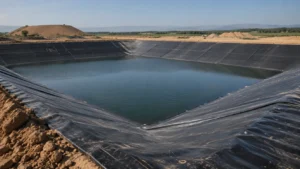
A farm pond liner is essential for preventing seepage, improving water retention, and ensuring long-term pond performance. As demand for agricultural water storage increases, understanding the true cost of pond liners becomes increasingly important.
In 2025–2026, the cost of farm pond liners varies widely depending on material type, liner thickness, pond size, soil conditions, and installation requirements. This guide provides a complete breakdown to help landowners, farmers, contractors, and aquaculture operators make informed decisions.
2. How Much Does a Farm Pond Liner Cost?
Farm pond liner cost falls into two categories:
● Material Cost:
$0.28–$3.00 per square foot
● Fully Installed Cost (material + labor):
$0.50–$5.00 per square foot
The wide cost range is primarily due to differences in geomembrane materials and installation complexity.
3. Material Cost Comparison
Choosing the right liner material is the most significant cost determinant. Below is a summary of the most commonly used pond liner types.
For material performance insights, refer to our 2025 Best Pond Liner Guide.
HDPE (High-Density Polyethylene)
-
Cost: $0.35–$1.20 per sq ft
-
Thickness: 40–60 mil
-
Lifespan: 20–40 years
-
Best For: Large agricultural ponds, reservoirs, aquaculture
HDPE offers excellent durability, UV resistance, and cost efficiency, making it the most widely recommended option for farm ponds.
LLDPE (Linear Low-Density Polyethylene)
-
Cost: $0.30–$0.90 per sq ft
-
Thickness: 20–40 mil
-
Lifespan: 15–25 years
-
Best For: Medium ponds, flexible installations
LLDPE is easier to install and more flexible than HDPE, but slightly less durable.
PVC (Polyvinyl Chloride)
-
Cost: $0.28–$0.70 per sq ft
-
Thickness: 20–30 mil
-
Lifespan: 8–15 years
-
Best For: Small ponds, budget-sensitive projects
PVC is affordable but less resistant to UV exposure and punctures.
EPDM Rubber
-
Cost: $0.90–$3.00 per sq ft
-
Thickness: 30–60 mil
-
Lifespan: 20–35 years
-
Best For: Irregularly shaped ponds, landscaping applications
Its flexibility is unmatched, but the cost can be significantly higher.
4. Installed Cost Breakdown

The installed price includes material, labor, equipment, and ground preparation. Typical cost components include:
● Excavation and Soil Preparation
$0.10–$1.20 per sq ft
Ground leveling, removal of rocks, and creating proper slope angles.
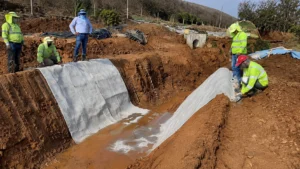
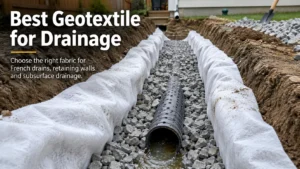
● Geotextile Underlayment
$0.05–$0.30 per sq ft
Protects the liner from punctures and soil movement.
● Welding or Seaming
$0.05–$0.40 per sq ft
Required for HDPE and larger installations.
● Labor
$0.15–$1.50 per sq ft
Varies based on region, accessibility, and project scale.
● Transportation
$150–$2,000+
Depends on distance and liner weight.
Total installed cost: $0.50–$5.00 per sq ft.
5. Pond Liner Cost by Size
Pond size is one of the largest cost factors. Larger ponds benefit from economies of scale, lowering the cost per square foot.
50 × 50 ft (2,500 sq ft)
-
Material cost: $800–$3,200
-
Installed: $1,500–$6,000
100 × 100 ft (10,000 sq ft)
-
Material cost: $3,500–$12,000
-
Installed: $5,000–$20,000
200 × 200 ft (40,000 sq ft)
-
Material cost: $10,000–$40,000
-
Installed: $15,000–$60,000
1 Acre Pond (43,560 sq ft)
-
Material cost: $10,000–$35,000
-
Installed: $20,000–$110,000
Costs vary based on liner type, thickness, and ground conditions.
6. Key Factors That Affect Pond Liner Cost
Want to pick the liner that fits your budget and project needs? Check our How to Choose the Right Pond Liner guide.

6.1 Liner Thickness
whether lighter liners, such as 200 GSM products, are sufficient
Thicker liners increase durability but also increase cost.
Typical guidelines:
-
20–30 mil: Small ponds, low-risk areas
-
40 mil: Average farm pond standard
-
60 mil: Large reservoirs, long-term durability
Every additional 10 mil increases material cost by roughly 10–25%.
6.2 Soil and Site Conditions
Soil type significantly affects installation needs:
-
Rocky soil → requires underlayment
-
Soft soil → may require compaction
-
Steep slopes → more welding and anchoring
6.3 Pond Shape and Design
-
Irregular shapes increase material waste
-
Deeper ponds require stronger liners
-
Steep banks require additional reinforcement
6.4 Project Accessibility
If heavy equipment cannot easily reach the site, labor and transport costs increase.
7. Long-Term Maintenance and Operating Costs
Pond liners require minimal maintenance but benefit from annual inspections. Proper care extends lifespan and prevents costly repairs.
Common Maintenance Tasks:
-
Check for UV degradation
-
Inspect exposed edges
-
Look for animal damage
-
Ensure anchoring trench remains intact
Repair Costs:
-
Small puncture patch: $50–$250
-
Large repair: $500–$2,000+
8. How to Reduce Pond Liner Costs
You can significantly reduce total project costs by applying these strategies:
✔ Choose the right thickness (avoid over-specification)
✔ Use wide-width liner rolls to minimize seams
✔ Install geotextile instead of upgrading liner thickness
✔ Buy materials in bulk for large projects
✔ Compare freight rates across suppliers
✔ Optimize pond design to reduce waste cuts
9. Recommended Liner Choice by Application
| Application | Best Material | Ideal Thickness |
|---|---|---|
| Agricultural irrigation ponds | HDPE | 40–60 mil |
| Aquaculture and fish farming | HDPE / EPDM | 40–60 mil |
| Rainwater harvesting | LLDPE | 30–40 mil |
| Budget ponds | PVC | 20–30 mil |
| Irregular shapes | EPDM | 45–60 mil |
10. Conclusion
Farm pond liner costs in 2025–2026 range from $0.28 to $3.00 per square foot for materials, and $0.50 to $5.00 per square foot for fully installed systems.
The most cost-effective and durable solution for most agricultural applications is HDPE 40–60 mil, offering excellent UV stability, puncture resistance, and long-term reliability.
By understanding the variables that affect cost—material selection, pond size, soil conditions, and installation requirements—you can design a pond that meets your performance needs while staying within budget.
To move from pricing to final material selection, check our detailed How to Choose the Right Pond Liner for Your Project guide, covering HDPE, PVC, LLDPE, and EPDM options.