Choosing the right pond liner is one of the most important decisions when building or upgrading a pond, reservoir, or water containment system. The type of liner you choose will determine the durability, cost, and long-term performance of your project.
In this guide, we’ll explain the key factors to consider, compare common liner materials (HDPE, EPDM, PVC), and help you decide which one suits your needs best.
1. Why Pond Liner Selection Matters

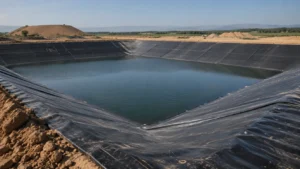
A pond liner acts as the waterproof barrier between your water and the soil. The right liner prevents leakage, resists UV and chemical damage, and ensures the pond remains stable for decades.
The wrong choice, however, can lead to:
-
Cracking and leaks after temperature changes
-
UV degradation under sunlight
-
Costly repairs or full replacement within a few years
That’s why professional guidance and understanding the liner materials is crucial before purchasing.
2. How to Calculate the Right Size
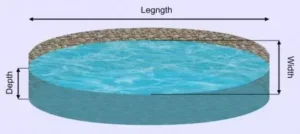
Before selecting your liner, you need to calculate how much material your pond will require.
Use this simple formula:
Length = Pond Length + (2 × Depth) + 0.5 m overlap
Width = Pond Width + (2 × Depth) + 0.5 m overlap
For example, a 10m × 6m pond with 1.5m depth will need:
Length: 13.5m | Width: 9.5m
Always add extra margin for anchoring and welding.
3. Common Pond Liner Materials Compared
Here’s a comparison of the most common pond liner materials used worldwide:
| Material | Durability | Flexibility | UV Resistance | Cost | Typical Use |
|---|---|---|---|---|---|
| HDPE Geomembrane | ★★★★★ | Moderate | Excellent | $$ | Industrial ponds, mining, landfill, fish farming |
| EPDM Rubber | ★★★★☆ | Excellent | Very good | $$$ | Garden ponds, decorative water features |
| PVC Liner | ★★★☆☆ | Good | Moderate | $ | Small ponds, short-term projects |
| LDPE / LLDPE | ★★★★☆ | High | Very good | $$ | Aquaculture, agriculture reservoirs |
👉 Recommendation:
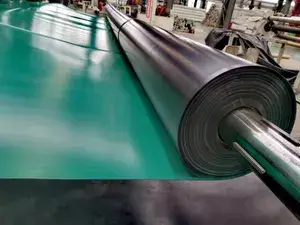
For industrial or long-term projects (landfills, mining, fish ponds), HDPE geomembrane is the best option.
For decorative or irregular-shaped ponds, EPDM works well due to its flexibility.
4. Recommended Thickness by Application
| Application | Recommended Thickness | Material Type |
|---|---|---|
| Small garden pond | 0.5–0.75 mm | EPDM / PVC |
| Fish pond / aquaculture | 1.0–1.5 mm | HDPE / LLDPE |
| Landfill / mining / wastewater | 1.5–2.0 mm | HDPE geomembrane |
| Canal / reservoir | 1.0–1.5 mm | HDPE / composite geomembrane |
Thicker liners offer greater puncture resistance and longer service life, especially for outdoor or heavy-
duty projects.
that figure alone does not describe thickness, strength, or long-term performance
5. Installation and Maintenance Tips

-
Remove sharp stones or roots before laying the liner.
-
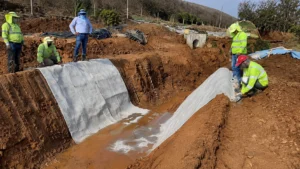
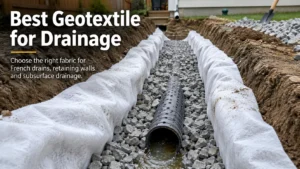
Use a geotextile protection layer underneath to avoid puncture.
-
Overlap seams at least 10–15 cm and weld with hot wedge or extrusion welding.
-
Avoid stretching the liner too tightly.
-
Check for leaks or damage every 6–12 months.
Proper installation ensures your liner can last 20 years or more.
6. Environmental & Safety Considerations
Choose a pond liner that is:
-
Non-toxic and fish-safe
-
Resistant to UV, acids, and organic chemicals
-
Compliant with international standards (ISO, CE, ASTM)
HDPE and LLDPE geomembranes are widely used in aquaculture because they’re 100% safe for fish and plants.
Cost should always be evaluated after defining pond depth,liner material, and installation method.
For larger ponds, pricing varies widely depending on these design choices,
even when the surface area is the same.
7. How to Choose a Reliable Supplier
When sourcing pond liners internationally, check:
-
✅ Factory certification (ISO, CE, SGS)
-
✅ Product testing reports (ASTM D6693, D4833, etc.)
-
✅ Export experience & shipping capability
-
✅ Technical support for welding and installation
-
✅ After-sales service and warranty period
Cheap products with no certification often fail within a few years. Choose a supplier with proven project experience.
8. Why Choose Geosynsource

Geosynsource is a professional manufacturer and exporter of geosynthetics materials, including:
-
HDPE & LLDPE geomembrane liners
-
Nonwoven & woven geotextiles
-
Geogrid & drainage composite materials
✅ Factory-direct supply with ISO certification
✅ High-quality virgin raw materials
✅ Global export experience (Asia, Africa, Europe, America)
✅ Custom sizes & thickness available
✅ Professional technical support
Our geomembranes are widely used in ponds, aquaculture farms, landfill liners, and mining tailing ponds around the world.
9. Get a Free Pond Liner Quote
Ready to start your project?
👉 Get a Free Pond Liner Quote
We’ll recommend the right liner material and thickness for your project within 24 hours.
Or contact us directly:
📧sales@geosynsource.com | 🌍 www.geosynsource.com
10. Frequently Asked Questions
Q1: How long can an HDPE pond liner last?
→ With proper installation and protection, HDPE liners can last 20–25 years or longer.
Q2: Is HDPE better than EPDM?
→ For industrial or large ponds, yes — HDPE offers better strength, chemical resistance, and lower cost per square meter.
Q3: Can I weld or repair HDPE pond liners?
→ Yes, HDPE liners can be easily welded using hot wedge or extrusion methods, ensuring watertight seams.
Q4: Do you provide samples?
→ Yes, Geosynsource offers free samples and technical data sheets upon request.
✅ Summary
Choosing the right pond liner depends on your project scale, budget, and expected lifespan.
For professional and long-term solutions, HDPE geomembranes from Geosynsource offer the best balance between cost, strength, and durability.
👉 Get Your Free Pond Liner Quote Now
Let our technical team recommend the most suitable liner for your pond or project.