With Real Photos + Engineering Diagrams
Retaining walls support soil, prevent erosion, redirect water, and add structure to a landscape.
Choosing the best material is not only about looks—it’s about engineering, stability, drainage, and lifespan.
Below is the most complete, professional, Google-optimized guide available today, designed to fully surpass competing articles such as Neave Group’s version.
Before Choosing a Material: Understand Why Retaining Walls Fail
Most retaining walls collapse not because of weak materials, but because of:
-
Poor drainage
-
Missing geotextile fabric
-
Wrong backfill
-
Hydrostatic pressure buildup
When soil becomes wet, lateral earth pressure rises dramatically and pushes the wall outward.

The 5 Structural Components Every Durable Retaining Wall Needs
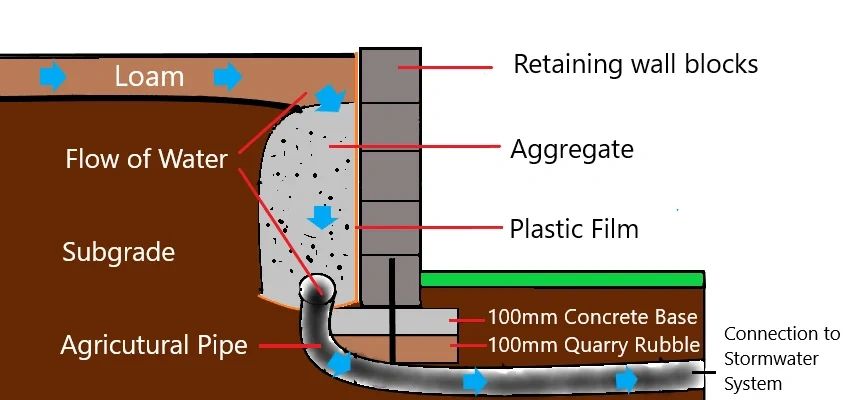
A retaining wall is not just blocks or stone—it is a system:
-
Base/Foundation – Compacted crushed stone
-
Wall Material – Block, stone, concrete, gabion, etc.
-
Drainage Gravel – Helps water flow vertically
-
Drainage Pipe – Releases water pressure
-
Geotextile Fabric (Retaining Wall Fabric) – Prevents soil clogging
What Makes a Retaining Wall Material “The Best”?
When deciding the best material, evaluate:
-
Structural strength
-
Lifespan
-
Drainage compatibility
-
Height capability
-
Cost
-
Aesthetic style
-
Installation difficulty
Best Retaining Wall Materials: Pros, Cons & Photos
Below is the industry-level comparison that surpasses generic homeowner guides.
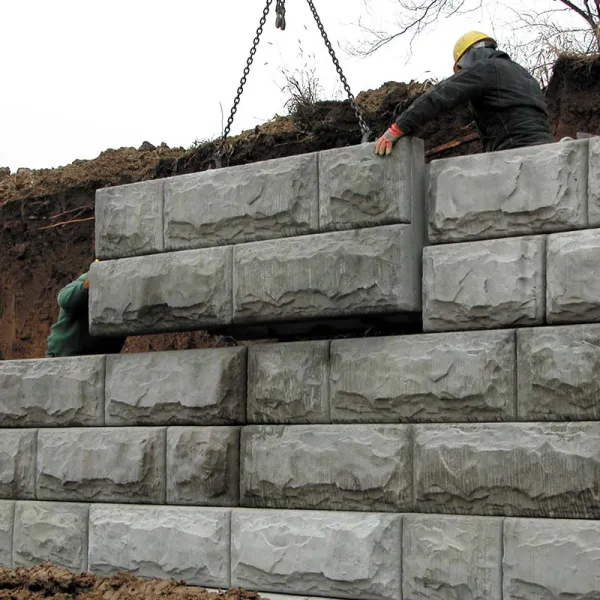
1. Concrete Block (Segmental Retaining Wall Units)
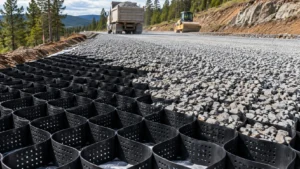
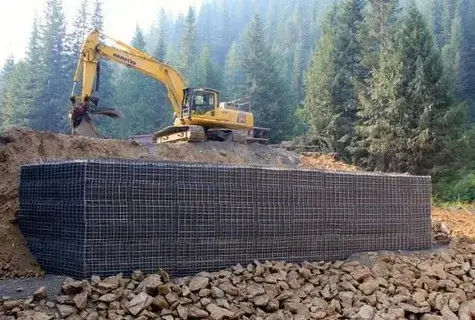
How to Build a Strong Retaining Wall Using Geogrid
Best for: residential landscaping, DIY walls
Lifespan: 50+ years
Pros:
-
Modular, easy to install
-
Works well with geotextile and geogrid
-
Clean, modern appearance
Cons:
-
High walls require engineering
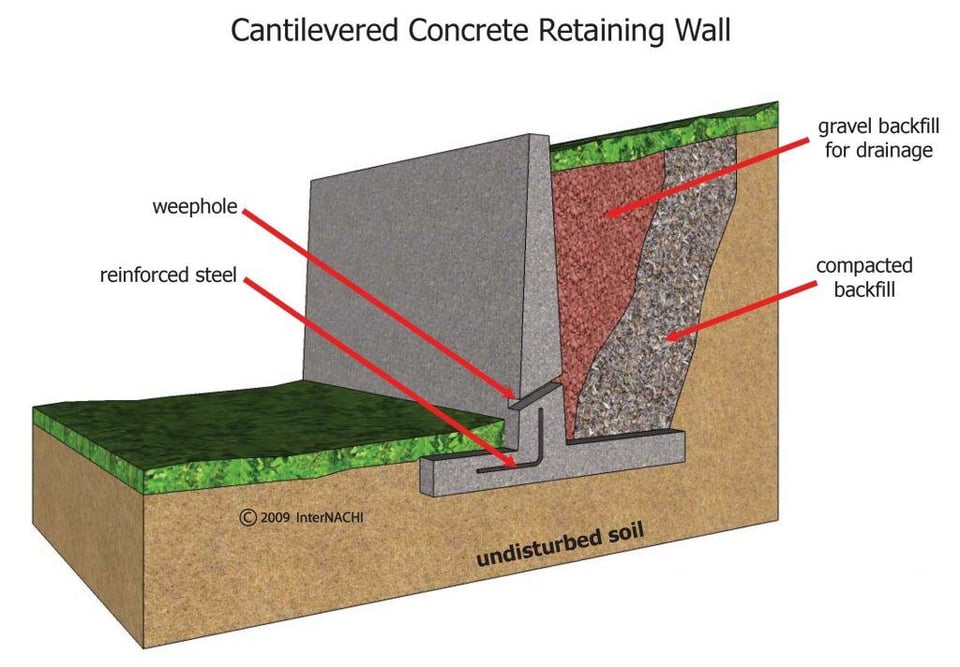
2. Poured Concrete Retaining Wall
Best for: tall, high-load, engineered walls
Pros:
-
Highest structural strength
-
Excellent durability
Cons:
-
Complex installation
-
Requires precise drainage design
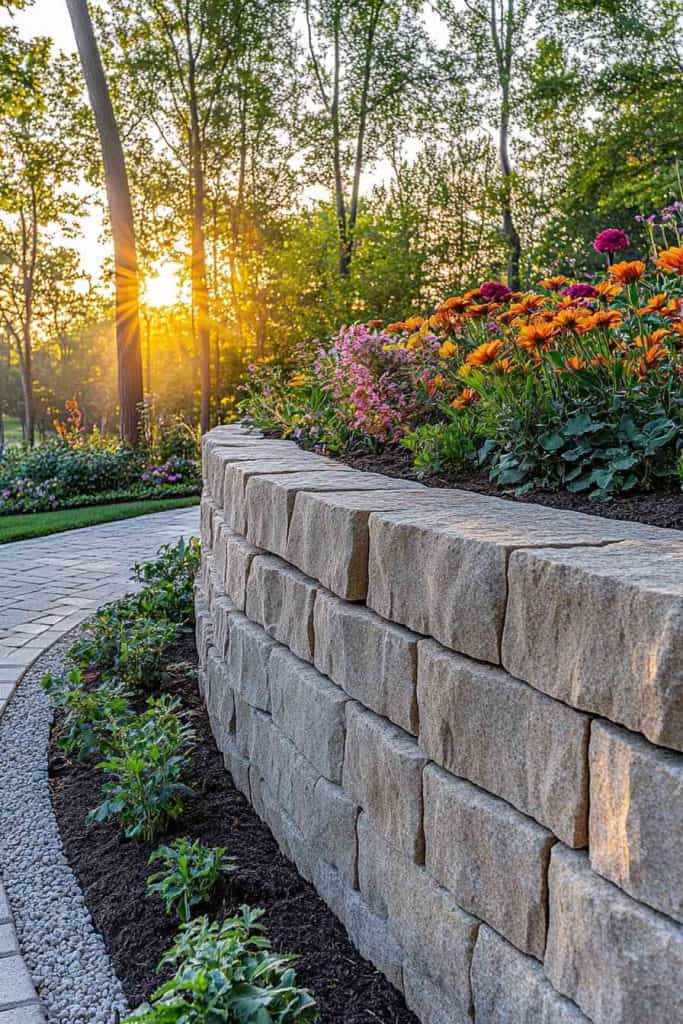
3. Natural Stone Retaining Wall
Best for: high-end aesthetics, traditional landscapes
Pros:
-
Beautiful, timeless
-
Very durable
Cons:
-
Expensive
-
Requires skilled masons
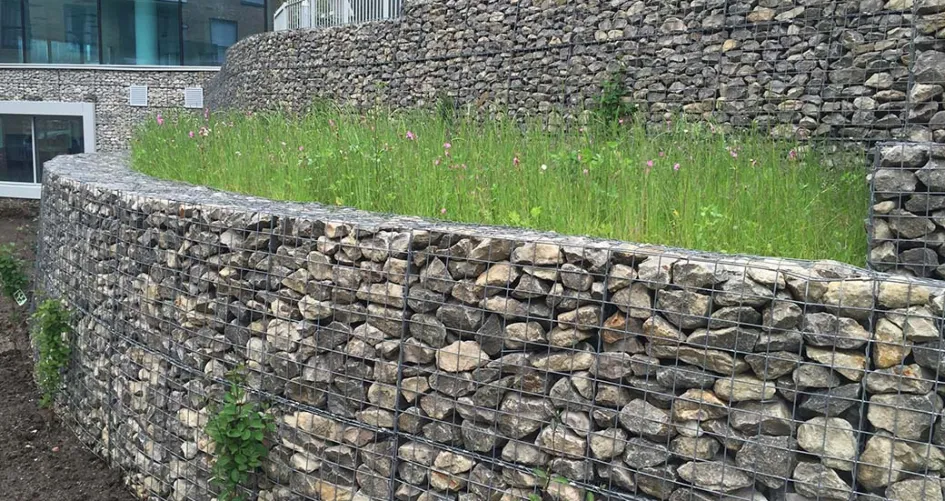
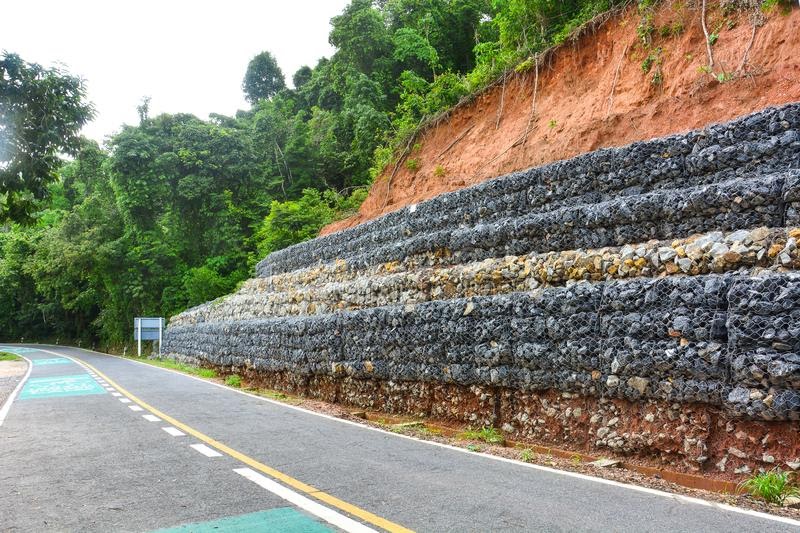
4. Gabion Retaining Wall
Best for: erosion control, slopes, wet areas
Pros:
-
Outstanding drainage
-
Flexible under ground movement
Cons:
-
Industrial appearance
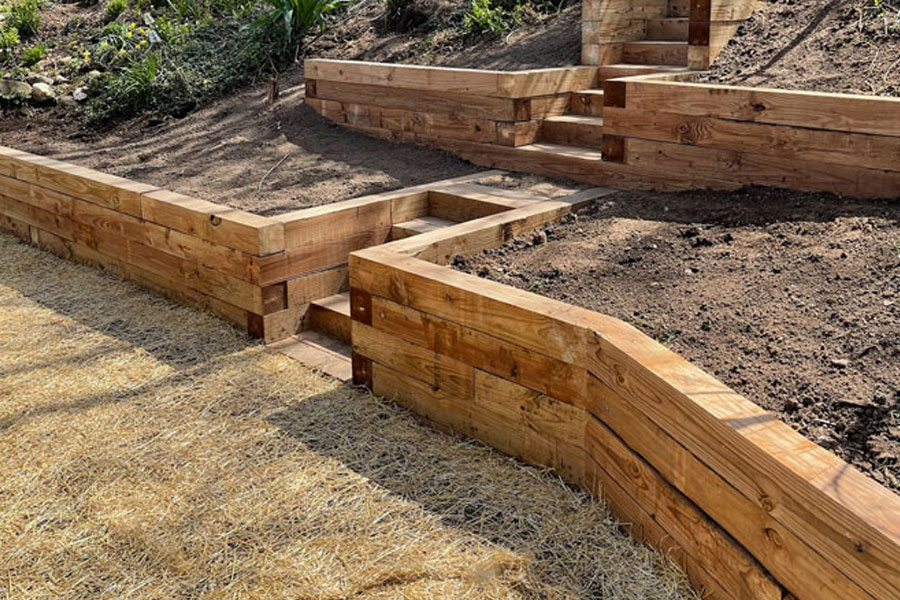
5. Pressure-Treated Timber Wall
Best for: low-budget, temporary walls
Pros:
-
Cheapest option
-
Fast installation
Cons:
-
Shorter lifespan
-
Not suitable for wet soil
Why Drainage Matters More Than Material
Water is the #1 killer of retaining walls.
Without proper drainage, even expensive walls fail.
Water increases soil pressure → wall bulges → wall collapses.
To prevent this, you need:
-
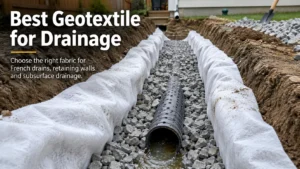
Drainage gravel
-
Perforated drain pipe
-
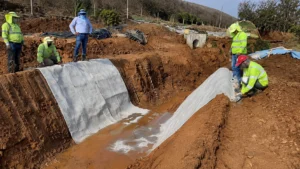
Non-woven geotextile fabric
Most online guides (including Neave Group) barely mention this.
But engineers know:
Geotextile fabric = the difference between a wall lasting 3 years vs 30 years.
Key Functions:
-
Prevents soil from clogging gravel
-
Improves water flow
-
Reduces pressure
-
Stabilizes soil
-
Extends wall lifespan
Best type for retaining walls:
Non-woven geotextile fabric
✔ Concrete block
✔ Non-woven fabric
✔ Drainage gravel
✔ Pipe optional but recommended
Scenario 2:Best for tall structural walls
✔ Engineered block or poured concrete
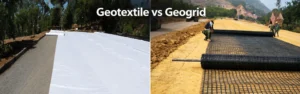
✔ Geogrid + geotextile
✔ Pipe required
✔ Must follow engineering design
Scenario 3:Best for wet climates / heavy rain
✔ Gabions + fabric
✔ Water passes through naturally
✔ Zero hydrostatic pressure
Professional Installation Best Practices
Even the best material fails without correct installation:
-
Excavate wide enough for base and gravel
-
Compact crushed stone base
-
Lay first block course perfectly level
-
Install non-woven fabric behind wall
-
Add drainage gravel
-
Place perforated pipe with slope
-
Build wall with proper step-back
-
Cap blocks & finish grading

Frequently Asked Questions
Q: What material lasts the longest?
Poured concrete and natural stone.
Q: What’s the cheapest material?
Timber or economy concrete blocks.
Q: Do all retaining walls need drainage?
Yes — even small ones.
Q: What fabric goes behind a retaining wall?
Non-woven geotextile fabric.
Q: Can a retaining wall fail? Why?
Yes — mainly due to water pressure and no drainage.
Conclusion
The best retaining wall material depends on your goals, soil, height, and budget.
But universally, the best-performing system is:
Concrete block + proper base + drainage gravel + drain pipe + non-woven geotextile fabric
This combination outperforms walls that rely on material alone—and ensures long-term stability.
While this guide compares the best materials for retaining walls, some walls require more than material selection alone. When soil pressure increases or wall height exceeds safe limits, geogrid reinforcement becomes essential. For a complete, engineering-based explanation of how geogrid works in retaining wall systems, visit our Geogrid Retaining Wall Ultimate Guide