When buyers search for geomembrane liners, they often see the term HDPE and wonder whether HDPE and geomembrane mean the same thing.
The simple answer is: HDPE is a raw material, while geomembrane is a finished liner product. When HDPE is manufactured into waterproof liner sheets or rolls, it becomes HDPE geomembrane — one of the most widely used liner materials for landfills, reservoirs, wastewater lagoons, mining containment, irrigation ponds and agricultural water storage projects.
Understanding the difference between HDPE and geomembrane helps engineers, contractors, distributors and project owners choose the right liner material for different containment and waterproofing applications.
Quick Answer: HDPE vs Geomembrane
HDPE is a type of plastic material, while geomembrane is a finished waterproof liner product. A geomembrane can be made from HDPE, LLDPE, PVC, EVA or other polymers. HDPE geomembrane means the geomembrane liner is made from high-density polyethylene.
HDPE = Material
Geomembrane = Liner product
HDPE Geomembrane = Waterproof liner made from HDPE
In simple terms, HDPE is the material, geomembrane is the product category, and HDPE geomembrane is the finished liner used in engineering waterproofing and containment projects.
HDPE vs Geomembrane Comparison Table
| Item | HDPE | Geomembrane |
|---|---|---|
| Meaning | High-density polyethylene | Waterproof liner product |
| Type | Raw material / polymer | Finished geosynthetic product |
| Form | Resin material before processing | Sheets or rolls for installation |
| Relationship | Can be used to make geomembranes | Can be made from HDPE, LLDPE, PVC, EVA and other materials |
| Main Function | Provides material strength, durability and chemical resistance | Creates a waterproof and low-permeability barrier |
| Common Use | Manufacturing liners, pipes, sheets and plastic products | Landfills, reservoirs, wastewater ponds, mining containment and seepage control |
| Example | HDPE resin | HDPE geomembrane liner |
The key difference is that HDPE describes the material, while geomembrane describes the final liner product. When a geomembrane is made from HDPE, it is called HDPE geomembrane.
What Is HDPE?
HDPE stands for high-density polyethylene. It is a thermoplastic polymer known for its strength, chemical resistance, durability and low permeability. In geosynthetic applications, HDPE is commonly used to manufacture geomembrane liners for waterproofing and containment projects.
HDPE itself is not the final liner product. It must be processed into sheets or rolls before it can be installed as an HDPE geomembrane liner.
Common advantages of HDPE include:
High chemical resistance
Good tensile strength
Low permeability
Strong durability
Suitable for outdoor and large-scale engineering projects
Can be heat-welded during installation
Because of these advantages, HDPE is one of the most widely used materials for geomembrane liners in environmental, water containment, mining and civil engineering projects.
In many HDPE geomembrane systems, a nonwoven geotextile protection layer is used to reduce puncture risk from rough subgrade, stones, or cover soil.
What Is a Geomembrane?
A geomembrane is a low-permeability synthetic liner used to control water, liquid or chemical seepage. It is usually supplied in rolls and installed on-site to create a continuous waterproof barrier.
Geomembranes are part of the geosynthetics family and are widely used in projects where seepage control, liquid containment or waterproofing is required.
Common geomembrane applications include:
Landfill lining systems
Reservoir and water storage projects
Wastewater lagoons
Mining containment
Canal seepage control
Agricultural water storage
Aquaculture ponds
Tunnel and underground waterproofing
A geomembrane is not limited to one material. Depending on the project requirement, it can be made from HDPE, LLDPE, PVC, EVA or other polymer materials.
What Is HDPE Geomembrane?
HDPE geomembrane is a geomembrane liner made from high-density polyethylene. It combines the material advantages of HDPE with the waterproofing function of geomembrane liners.
Because of its chemical resistance, durability, low permeability and weldable installation, HDPE geomembrane is widely used in large containment projects such as landfills, reservoirs, wastewater lagoons, mining facilities and agricultural water storage.
HDPE geomembrane is commonly used for:
Landfill leachate containment
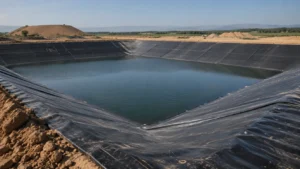
Wastewater lagoon lining
Reservoir and irrigation pond lining
Mining heap leach pads
Tailings pond lining
Canal and dam seepage control
Agricultural water storage projects
Industrial liquid containment
For project-based liner selection, view our HDPE geomembrane liner specifications and available customization options.
When Should You Choose HDPE Geomembrane?
HDPE geomembrane is often selected for projects that require long-term waterproofing, chemical resistance, low permeability and strong containment performance.
| Project Condition | Is HDPE Geomembrane Suitable? | Reason |
|---|---|---|
| Landfill lining | Yes | Good chemical resistance and containment performance |
| Wastewater lagoon | Yes | Suitable for liquid containment and seepage control |
| Mining containment | Yes | Commonly used for heap leach pads and tailings ponds |
| Reservoir or irrigation pond | Yes | Helps reduce seepage and water loss |
| Agricultural water storage | Yes | Suitable for large water storage and irrigation projects |
| Small decorative pond | Maybe | Flexible liners may be easier to install for small irregular shapes |
| Tunnel waterproofing | Not always | EVA or other flexible membranes may be selected |
For large engineering containment projects, HDPE geomembrane is often selected because it provides a strong balance of durability, chemical resistance and project cost.
HDPE vs LLDPE vs EVA vs PVC Geomembrane
Different geomembrane materials are suitable for different project conditions. HDPE is commonly used for large containment projects, while LLDPE, EVA and PVC may be selected when flexibility or specific installation conditions are more important.
| Material | Main Advantage | Best For |
|---|---|---|
| HDPE Geomembrane | Chemical resistance, durability and cost-effectiveness for large projects | Landfills, reservoirs, wastewater, mining containment |
| LLDPE Geomembrane | Better flexibility than HDPE | Uneven terrain and projects requiring flexibility |
| EVA Geomembrane | Flexible waterproofing performance | Tunnels, subways and underground waterproofing |
| PVC Geomembrane | Flexible and easy to handle | Some temporary or light-duty lining projects |
There is no single geomembrane material that fits every project. The right choice depends on application, soil condition, chemical exposure, required flexibility, installation method and project design requirements.
Common Applications of HDPE Geomembrane
Landfill Lining
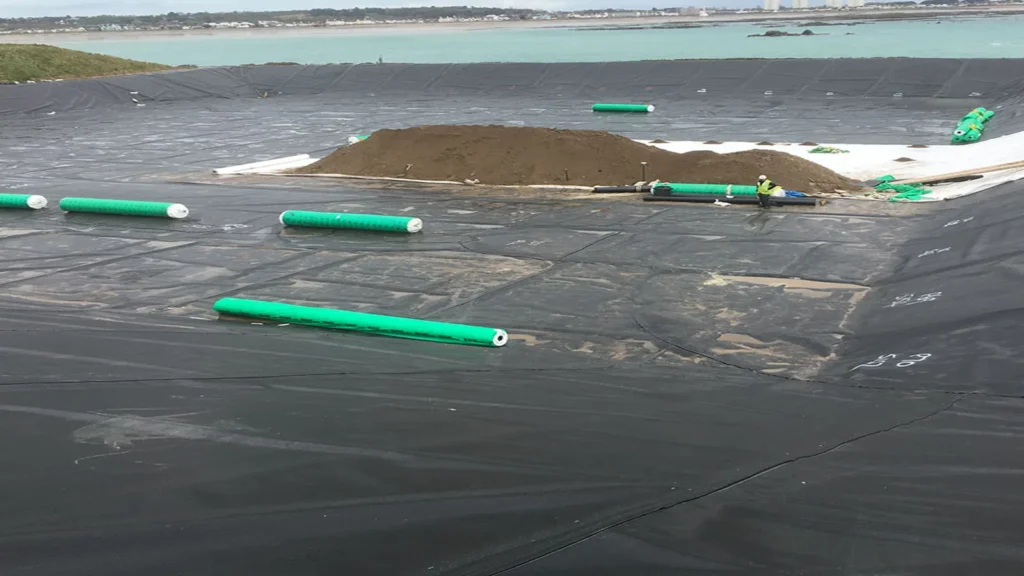
HDPE geomembrane is widely used in landfill lining systems to help contain leachate and reduce the risk of soil and groundwater contamination.
Wastewater Lagoons
For municipal and industrial wastewater containment, HDPE geomembrane provides a low-permeability barrier that helps control seepage and liquid leakage.
Mining Containment
In mining projects, HDPE geomembrane can be used for heap leach pads, tailings ponds, process ponds and chemical containment areas.
Reservoirs and Irrigation Ponds
HDPE geomembrane is suitable for reservoirs, irrigation ponds and agricultural water storage projects where long-term seepage control is required.
Canal and Dam Seepage Control
HDPE geomembrane can help reduce water loss in canals, channels and dam seepage control projects.
Common Mistakes When Choosing Geomembrane Liners
Mistake 1: Treating HDPE and Geomembrane as the Same Thing
HDPE is only one material option. Geomembrane is the finished liner product. Buyers should confirm both the material type and product specification before purchasing.
Mistake 2: Choosing Only by Price
Low material cost does not always mean better project value. Thickness, material type, project condition, chemical exposure and installation method can all affect the final performance of a geomembrane liner.
Mistake 3: Ignoring Installation Conditions
Large HDPE geomembrane projects usually require proper subgrade preparation, liner deployment, welding and seam inspection. Installation quality can directly affect the long-term performance of the lining system.
Mistake 4: Using the Wrong Material for the Project
HDPE is suitable for many containment projects, but flexible materials such as LLDPE or EVA may be better for some uneven, underground or high-flexibility waterproofing conditions.
Mistake 5: Not Confirming Thickness Requirements
Different projects require different liner thicknesses. A landfill, wastewater lagoon or mining containment project usually requires a different specification than a light-duty water storage pond.
How to Select the Right Geomembrane Material
To choose the right geomembrane material, buyers should consider the project application, required thickness, chemical exposure, subgrade condition, installation method and expected service environment.
Selection checklist:
What is the main application?
Is the project for landfill, wastewater, mining, reservoir, canal or agricultural water storage?
What liquid or material will be contained?
Water, wastewater, chemicals, leachate and mining process solutions may require different liner performance.
What is the required thickness?
Larger and more demanding projects usually require thicker liners.
Is flexibility important?
If the installation surface is uneven or requires high flexibility, LLDPE or EVA may be considered.
Will the liner be welded on-site?
HDPE geomembrane is commonly heat-welded for large containment projects.
Is a protective layer needed?
Geotextile fabric may be used above or below the geomembrane to reduce puncture risk.
Related Product: HDPE Geomembrane Liner
If your project requires waterproofing, seepage control or liquid containment, HDPE geomembrane may be a suitable liner option.
Geosynsource supplies geomembrane liners for engineering projects, including landfills, reservoirs, wastewater lagoons, mining containment, agricultural water storage and seepage control applications.
Recommended product:
Need HDPE Geomembrane for an Engineering Project?
Send us your project type, required thickness, project area and destination country. Our team can help you choose a suitable geomembrane material and specification.
Related Guides
You may also find these geomembrane and geosynthetic guides useful:
HDPE Geomembrane Properties, Standards and Tensile Strength
HDPE vs LLDPE Geomembrane: Which One Should You Choose?
Geomembrane vs Geotextile: What Is the Difference?
HDPE Geomembrane Liner for Ponds, Landfills and Water Containment
Composite Drainage Board for Waterproofing and Drainage Systems
FAQ About HDPE and Geomembrane
Is HDPE the same as geomembrane?
No. HDPE is a material, while geomembrane is a finished waterproof liner product. A geomembrane can be made from HDPE, LLDPE, PVC, EVA or other polymer materials.
What does HDPE geomembrane mean?
HDPE geomembrane means a geomembrane liner made from high-density polyethylene. It is supplied in rolls and used for waterproofing, seepage control and containment projects.
Is HDPE geomembrane better than other geomembranes?
HDPE geomembrane is often preferred for large containment projects because it offers chemical resistance, durability and good welding performance. However, LLDPE, EVA or PVC may be better for projects that require more flexibility.
What projects use HDPE geomembrane?
HDPE geomembrane is commonly used in landfills, reservoirs, wastewater lagoons, mining containment, irrigation ponds, canals and agricultural water storage projects.
Can HDPE geomembrane be welded?
Yes. HDPE geomembrane can be heat-welded on-site using suitable welding equipment. Seam inspection is recommended for large containment projects.
How do I choose the right geomembrane material?
The right material depends on application, chemical exposure, subgrade condition, required flexibility, liner thickness and installation method.
What is the difference between HDPE and LLDPE geomembrane?
HDPE geomembrane is more rigid and commonly used for large containment projects. LLDPE geomembrane is more flexible and may be better for uneven surfaces or projects that require higher flexibility.
Is HDPE geomembrane suitable for wastewater projects?
Yes. HDPE geomembrane is commonly used in wastewater lagoons and industrial containment projects because of its low permeability and chemical resistance.
Need Help Choosing a Geomembrane Liner?
Choosing the right geomembrane material depends on your project type, liner thickness, installation condition and containment requirement. If you are not sure whether HDPE, LLDPE or EVA geomembrane is suitable for your project, send us your application details for material selection support.
To receive a more accurate recommendation, please include:
Project application
Required thickness
Project area or quantity
Installation environment
Destination country
When looking for geomembrane liners, many customers come across the term HDPE. While related, they are not the same. Understanding the difference helps you choose the right solution for your project.